


.jpg)
Qazvin holds leading position in Iran grape, raisin sector
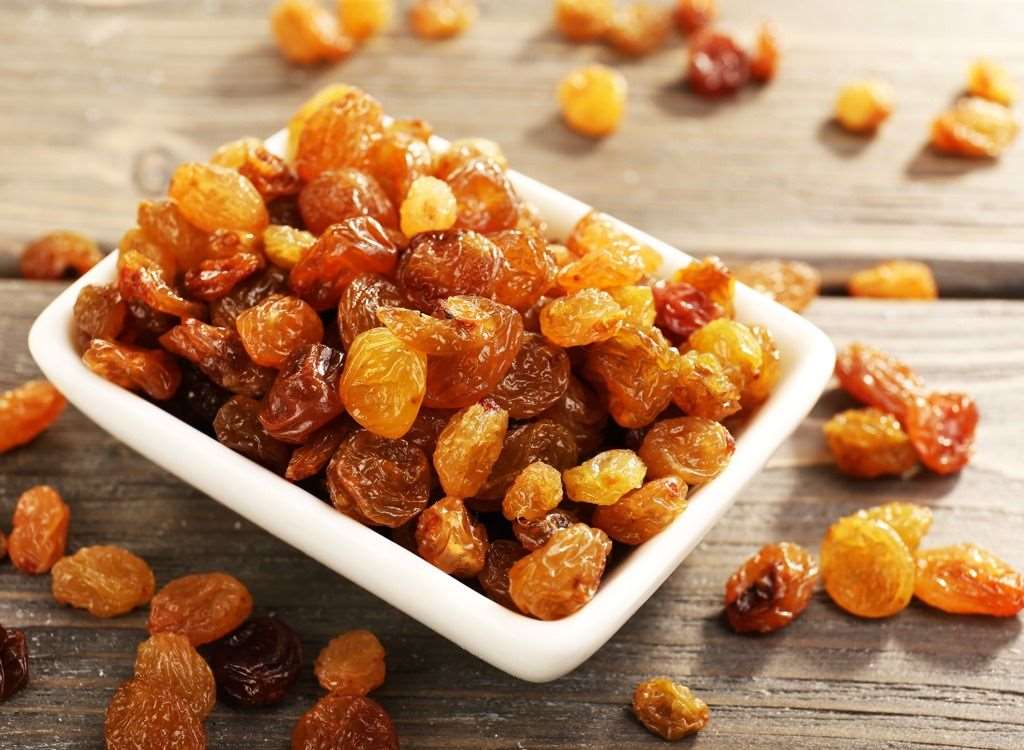
Qazvin – As the annual grape harvest gets underway across thousands of hectares of fertile land, the province of Qazvin, situated some 150 km northwest of Tehran, has reaffirmed its status as the undisputed leader of Iran's raisin industry and a key player in the national grape market.
Official figures released by the province’s Agriculture Organization reveal that harvesting has begun across all 38,500 hectares of productive vineyards in the province, with an anticipated yield of 150,000 tons this season.
Mohammad Pilehforosh, Horticulture Manager for the organization, provided insights into the scale and sophistication of the local industry. "Qazvin's vineyards represent a significant national asset," he said. "With over 39,000 hectares dedicated to grape cultivation, our province has developed both traditional and modern approaches to maximize production."
The province's investment in agricultural innovation is evident in its farming methods. More than 7,000 hectares now employ advanced trellising systems, reflecting a shift toward more efficient and sustainable viticulture practices, he noted.
“What sets Qazvin apart is its remarkable product distribution strategy. An impressive 70% of the grape yield is processed into premium-quality raisins, earning the province its top national ranking in raisin production. Another 25% supplies fresh fruit markets across the country, while the remaining 5% is skillfully transformed into value-added products including grape syrup, verjuice, and concentrate.”
"Our integrated approach from vineyard to market has established Qazvin as a comprehensive center for grape products," Pilehforosh noted. "We've mastered the entire production chain, delivering quality products from the initial growth stages through to processed raisins for both domestic and international markets."
The harvest season, which began in late August, will continue through mid-October, engaging agricultural workers across the region. The province's consistent output of approximately 300,000 tons in previous years demonstrates the stability and reliability of its viticulture sector.


comment please