


.jpg)
Medicinal plant cultivation expands in south-eastern Iran despite water scarcity
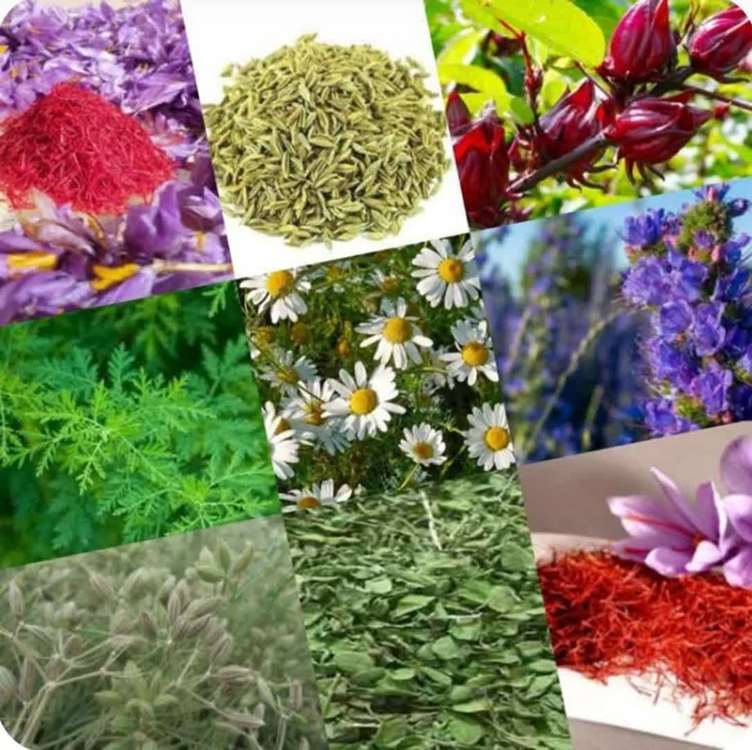
Taftan – Farmers in Taftan County, an active stratovolcano in south-eastern Iran in the Sistan and Baluchestan province, have produced 193.5 tons of medicinal plants this year, according to the director of the county's Agriculture office.
Some 193 tons of medicinal plants have been produced with 250 hectares of land dedicated to drought-resistant crops including saffron, cumin, hibiscus tea, thyme, wormwood, mint, and borage, Fazlollah Kordi said.
He added that the shift toward medicinal plants is a direct response to worsening water shortages and climate change.
"Growing high-value, low-water crops is no longer just an option—it's a necessity for sustainable agriculture in Taftan," Kordi said.
He noted that medicinal plant cultivation helps conserve water, protect groundwater reserves, and improve farm productivity, while also offering strong economic returns.
Kordi called for continued investment in farmer training, technical support, and accessible financing to help producers meet quality standards and reach both domestic and export markets.


comment please