


.jpg)
Mangrove forests key to sustainable fisheries in Iran: IFO
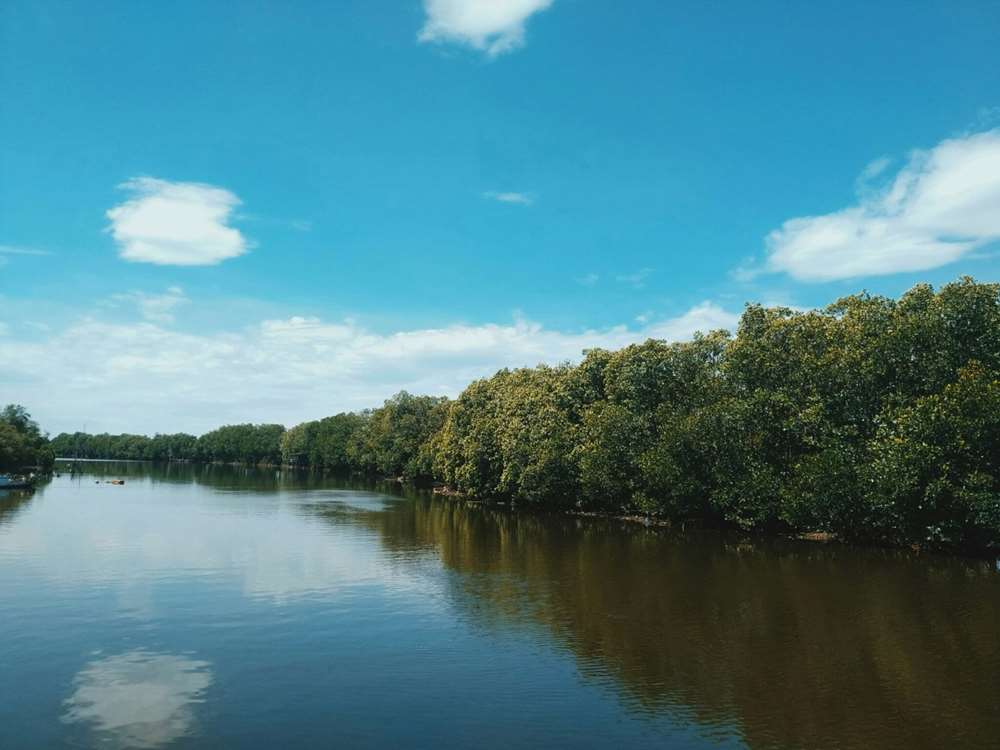
Tehran – Iran's mangrove forests are a vital natural asset underpinning the country's fisheries, food security, blue economy, and climate resilience, according to the Iran Fisheries Organization (IFO).
Marking UNESCO's International Day for the Conservation of the Mangrove Ecosystem on July 26, the IFO emphasized that mangrove forests provide critical breeding and nursery habitats for commercially important fish, shrimp, and crustaceans, making them essential to sustainable fisheries production and healthy marine ecosystems.
Studies by the Food and Agriculture Organization (FAO), the UN Environment Programme (UNEP), and the International Union for Conservation of Nature (IUCN) identify mangroves as among the world's most productive coastal ecosystems. Beyond supporting fisheries, they stabilize coastlines, reduce erosion, improve water quality, protect against storms, and store significant amounts of blue carbon, helping mitigate climate change.
With mangrove habitats along the Persian Gulf and the Sea of Oman, Iran considers these ecosystems a strategic component of its maritime development and food security policies.
The IFO said it is advancing ecosystem-based fisheries management through habitat restoration, responsible fishing practices, stock enhancement programs, sustainable aquaculture, scientific research, and greater participation by local communities.
The organization also called for stronger conservation measures, including integrated coastal zone management, the use of remote sensing, GIS, and artificial intelligence for ecosystem monitoring, expanded blue carbon initiatives, and closer international cooperation with organizations such as FAO, UNESCO, UNEP, and IUCN.
The IFO stressed that protecting mangrove forests is not only an environmental responsibility but also a national priority for ensuring food security, sustainable fisheries, and resilience to climate change.


comment please