


.jpg)
Lowest US wheat acres since 1919, USDA reports
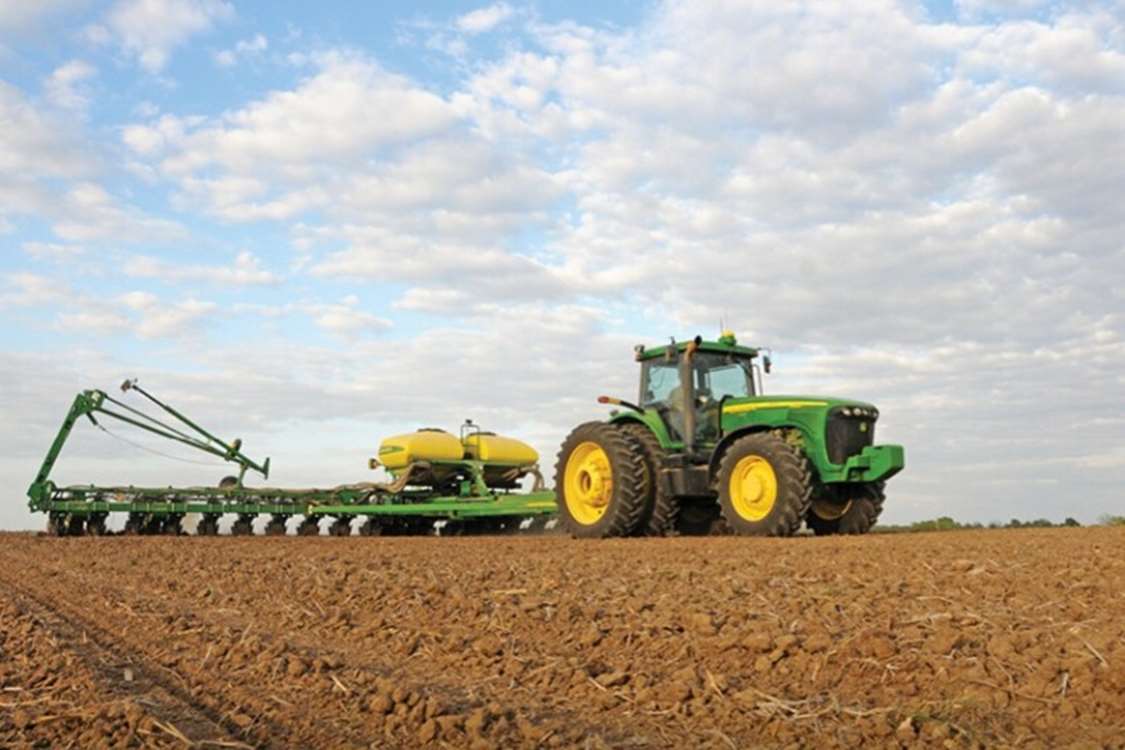
WDC – The United States Department of Agriculture (USDA) has announced that the country's wheat planted area for 2026 is projected to reach 17.73 million hectares, a 3 percent decline from the previous year. If realized, this will mark the lowest wheat acreage since record-keeping began in 1919.
Winter wheat accounts for the largest share, at 13.11 million hectares (down 2 percent), followed by spring wheat at 3.81 million hectares (a 6 percent decrease). Durum wheat acreage fell even more sharply, dropping 11 percent to 0.79 million hectares.
Despite the unprecedented reduction in planted area, market analysts say the report has had little impact on prices. Byron Behne, a senior analyst at Northwest Green Growers, noted that "weather in the southern Plains, the war in Iran, and energy prices are the main drivers of market movement."
Independent analyst Dan Steiner added that the 8-to-9-cent rise in wheat prices — roughly $3 per ton — was driven primarily by declining soil moisture and deteriorating crop ratings in major producing states such as Kansas and Texas. Soft white wheat prices in the Portland market were recorded at $232 per ton.
Darin Newsam, an Omaha-based analyst, warned: "By March 1, 2026, U.S. wheat stocks reached 35.4 million tons — 5 percent higher than last year. With this level of inventory, even the lowest planted area in history will not create a shortage. The real question is: who is buying U.S. wheat?"
According to Newsam, market focus should shift to export demand and geopolitical developments rather than acreage reductions alone.
A significant number of analysts believe that soaring input costs, particularly fuel and fertilizer, will have a greater impact on planting decisions than current wheat prices. Behne emphasized: "Wheat prices have risen slightly, but not enough to offset these costs."
Meanwhile, corn acreage stands at 38.57 million hectares (a 3 percent decrease), while soybean acreage rose 4 percent to 34.28 million hectares, a clear indication that farmers continue to favor soybeans as the more profitable option.


comment please