


.jpg)
Kerman, land of Iran’s green gold
Kerman – The southern province of Kerman, covering more than 180,000 square kilometers, is one of Iran’s largest and most diverse agricultural regions.
In the southern areas, irrigated wheat remains a key strategic crop, with 45,320 hectares cultivated in 2024 and production exceeding 160,000 tons.
The average yield of 3.6 tons per hectare demonstrates strong productivity despite the province’s harsh, arid climate. Alongside wheat, farmers cultivate barley, forage corn, cotton, canola, potatoes, and alfalfa.
Expanding the cultivation of oilseeds, particularly canola in the north, has become an effective step toward diversifying crop patterns and reducing reliance on imported edible oils.
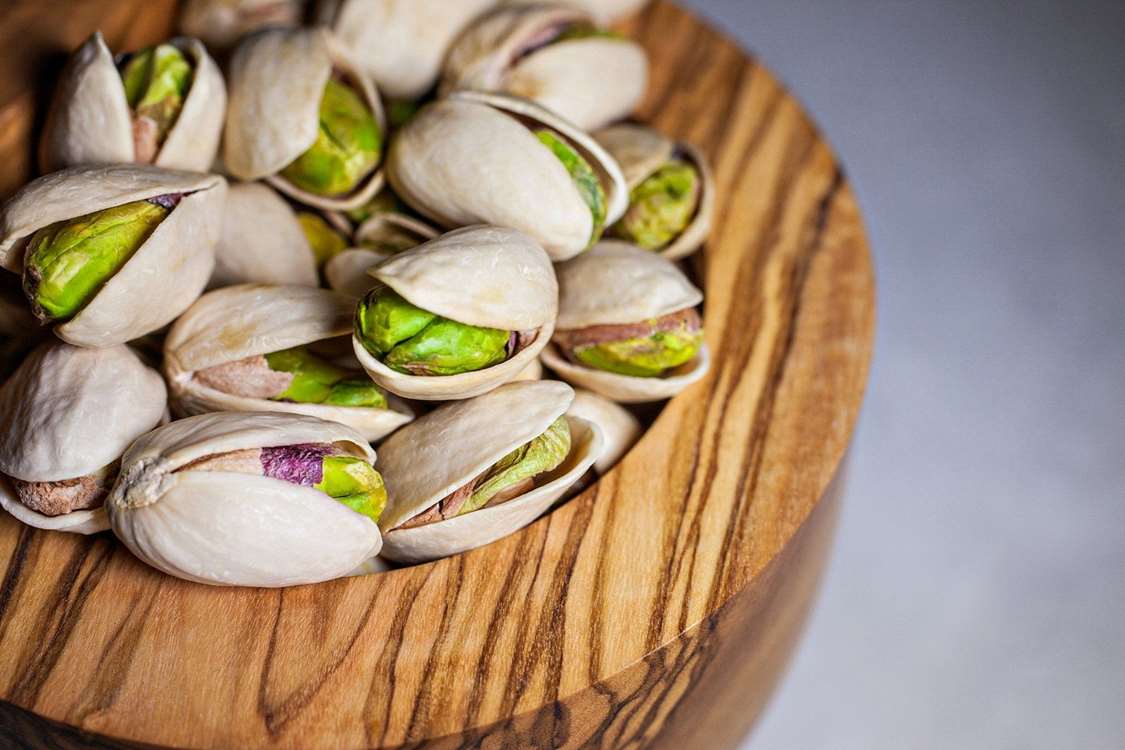
Kerman is also renowned worldwide for its pistachios, with more than 100,000 hectares of orchards making it the largest producer in Iran.
The province’s annual pistachio yield is estimated at 250,000 tons. In the south, date palms flourish across Jiroft, Kahnooj, Rudbar-e Jonub, and Qaleh Ganj, while citrus fruits thrive in warmer zones and apples and grapes grow in the cooler northern highlands, completing a rich horticultural landscape.
Greenhouse farming has emerged as a smart response to water scarcity. With over 2,500 hectares of active greenhouses, Kerman ranks second in Iran for greenhouse production. Major crops include cucumbers, tomatoes, bell peppers, and leafy vegetables. The development of greenhouses in the water-stressed south has not only helped counter drought impacts but also created new employment and export opportunities for fresh produce.


comment please