


.jpg)
Iran’s agriculture sector a forty-year legacy of resilience, minister affirms
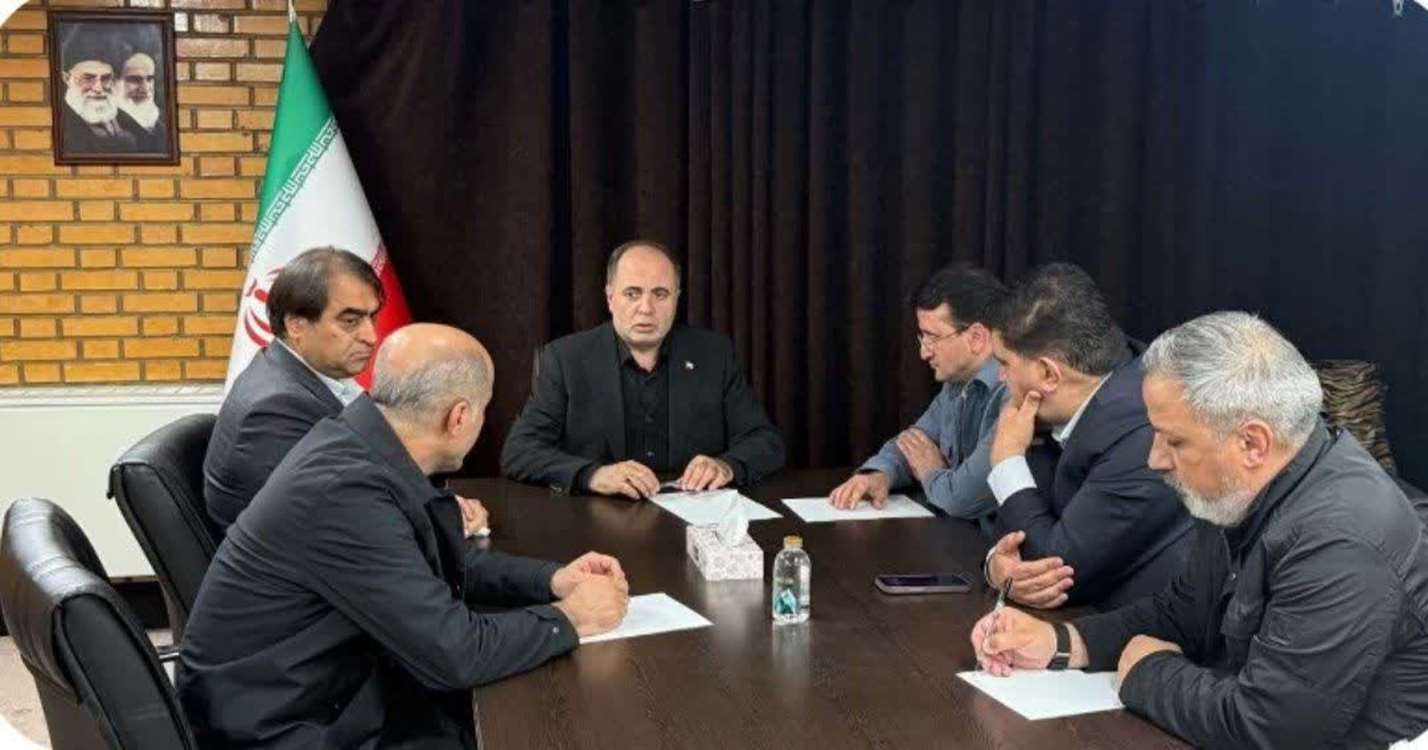
Tehran - Iran's agricultural sector has stood as a defining symbol of national resilience over the past four decades, with the country’s Minister of Agricultural saying that national unity remains the essential foundation of the country's resistance economy.
Gholamreza Nouri delivered the remarks while presiding over the second session of the Crisis Management Headquarters for the Iranian year 1405, a gathering that brought together deputy ministers and heads of affiliated organizations and enterprises.
"From the trials of acts of aggression and economic sanctions to the challenges of climate volatility and persistent capital shortfalls, Iran's agriculture has repeatedly demonstrated a remarkable capacity for endurance," Nouri said.
He emphasized that the sector's people-centered, production-driven model has created a continuity from farm to table that safeguards food security even amid national crises.
Reflecting on the current geopolitical landscape, the minister noted that approximately one month has elapsed since the onset of the second American-Zionist aggression.
"The enemy assumed that Iran's political, economic, and social structures would crumble within the first week," Nouri said.
"Yet the will of the people has proven otherwise - not only on the front lines, in the skies, and on the streets, but also in farmlands, production facilities, and retail spaces. As the President put it, 'today, even a shop floor is a battlefield.'"
According to Nouri, forward-looking measures implemented months in advance have secured ample reserves and supply chain stability. The result, he said, is a market characterized by relative calm, price consistency, and even reductions in the cost of select commodities.
Turning to the agricultural outlook, the minister pointed to increased rainfall in recent weeks as a favorable omen for the upcoming harvest.
"Guaranteed wheat purchases will proceed in an organized and coordinated manner," Nouri explained, noting that a government incentive package will offer up to 20,000 tomans per kilogram for high-quality wheat - an addition to the approved base price ranging from 27,500 to 29,500 tomans.


comment please