
.jpg)
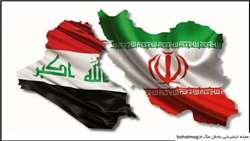
Iran studying plans for extraterritorial cultivation in Iraq
https://en.maj.ir//-News/Iran-studying-plans-for-extraterritorial-cultivation-in-Iraq
Iran studying plans for extraterritorial cultivation in Iraq Iran studying plans for extraterritorial cultivation in Iraq Iran studying plans for extraterritorial cultivation inIraq In central and southern Iraq, where agriculture dependsmainly on irrigation from the Tigris and Euphrates rivers, mixed farmingsystems are predominant. Dates are a major cash and food crop with fruit treesinterplanted in date palm orchards. Vegetables, mainly tomatoes and potatoes, are importantirrigated crops. Lives
Aug 2 202319:05

Minister hails FAO decision to award GIAHS certificate to Estahban fig orchards
https://en.maj.ir//News/Minister-hails-FAO-decision-to-award-GIAHS-certificate-to-Estahban-fig-orchards
Minister hails FAO decision to award GIAHS certificate to Estahban fig orchards Minister hails FAO decision to award GIAHS certificate to Estahban fig orchards padding:0cm;">Minister hails FAO decision toaward GIAHS certificate to Estahban fig orchards padding:0cm;"> padding:0cm;"> Iranian Minister of Agriculture Mohammad AliNikbakht hailed a decision by the Food and Agriculture Organization of theUnited Nations (FAO) to award the Globally Important Agricultural HeritageSystems (GIAHS) certific
Jul 9 202322:25
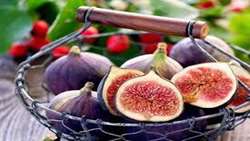
FAO to award GIAHS certificate to Estahban rainfed fig orchards soon
https://en.maj.ir//-News/FAO-to-award-GIAHS-certificate-to-Estahban-rainfed-fig-orchards-soon
FAO to award GIAHS certificate to Estahban rainfed fig orchards soon FAO to award GIAHS certificate to Estahban rainfed fig orchards soon FAO to award GIAHS certificate to Estahban rainfed figorchards soon An official with Iran’s Ministry of Agriculture said theFood and Agriculture Organization of the United Nations (FAO) is finalizing itsdecision to award the Globally Important Agricultural Heritage Systems (GIAHS)certificate to Estahban Rainfed Fig Orchards. Ali Kiani-Rad said recently
May 29 202321:49
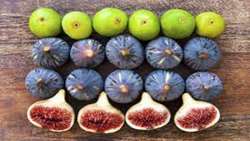
Iran rainfed fig orchards to win FAO world heritage status
https://en.maj.ir//-News/Iran-rainfed-fig-orchards-to-win-FAO-world-heritage-status
Iran rainfed fig orchards to win FAO world heritage status Iran rainfed fig orchards to win FAO world heritage status Iran rainfed fig orchards to win FAO world heritage status A traditional fig cultivation system in Iran is set to win recognition from FAO as Globally Important Agricultural Heritage Systems (GIAHS).Titled “Estahban Rainfed Fig Orchards Heritage System”, the credit reflects a unique way to produce rain-fed figs.The Iranian entrée was designated by the GIAHS Scie
Apr 29 202309:37
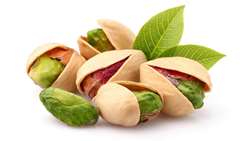
Iran pistachio export revenue rises to 23m euros in 2022
https://en.maj.ir//News/Iran-pistachio-export-revenue-rises-to-23m-euros-in-2022
Iran pistachio export revenue rises to 23m euros in 2022 Iran pistachio export revenue rises to 23m euros in 2022 Iran pistachio export revenue rises to 23m euros in 2022 Iran-Spain Joint Chamber of Commerce put the value of Iran’s pistachio export to Spain at over 23 million euros in 2022.According to the report, Iran exported 2,068 tons of pistachios worth over 23 million euros to this country in 2022.The amount registered a 58% rise compared to same period in 2021.Iran is the largest su
Apr 9 202310:14
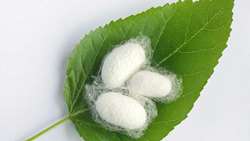
Production of silk cocoons in high economic status in Iran
https://en.maj.ir//-News/Production-of-silk-cocoons-in-high-economic-status-in-Iran
Production of silk cocoons in high economic status in Iran Production of silk cocoons in high economic status in Iran Production of silk cocoons in high economic status in Iran The head of the sericulture center of the country said:Plans and actions taken in the five areas of berry orchard revitalization,improving the quality of sericulture seeds, training and empowering farmers andexperts, and autumn breeding have made silk cocoon production more economical. Adeel Sarvi Zargar stated that the a
Dec 31 202209:03
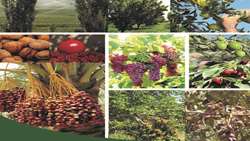
Improvement and renovation of more than 39,000 hectares of tropical orchards in 2021
https://en.maj.ir//-News/Improvement-and-renovation-of-more-than-39,000-hectares-of-tropical-orchards-in-2021
Improvement and renovation of more than 39,000 hectares of tropical orchards in 2021 Improvement and renovation of more than 39,000 hectares of tropical orchards in 2021 Improvement and renovation of more than 39,000 hectares oftropical orchards in 2021 Zahra Jalili, Moghaddam, Director General of the Office ofTropical and Semi-Tropical Fruits, said in an interview that the implementationof orchards and garden improvements based on the goals of the program in 2021on an area of 39,
Jun 11 202220:23
Agricultural and Food Exports in the First Nine Months of This Year 2021
https://en.maj.ir//-News/Agricultural-and-Food-Exports-in-the-First-Nine-Months-of-This-Year-2021
Agricultural and Food Exports in the First Nine Months of This Year 2021 Agricultural and Food Exports in the First Nine Months of This Year 2021 Agricultural and Food Exports in the First Nine Monthsof This Year 2021$ 3.9 billion appreciation of agriculturaland food exports in the first nine months of this year 2021Mohammad Ghorbani, the Deputy Minister of Planning and Economyof the Ministry of Jihad-Agriculture announced this news and told: 795 thousandtons of watermelons, 617 thousand tons of
Feb 12 202212:51
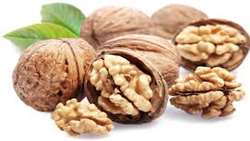
Iran ranks third in walnut production in the world
https://en.maj.ir//News/Iran-ranks-third-in-walnut-production-in-the-world
Iran ranks third in walnut production in the world Iran ranks third in walnut production in the world Iran ranks third in walnut production in the worldIran with the production of 168 thousand tons of walnuts peryear: Iran ranks third in walnut production in the worldAli Asghar Zinanlu, head of the country's horticultural researchdepartment, said: The area under cultivation of walnut orchards in the countryis 158 thousand hectares, of which 69 thousand hectares are infertile orchardsand 89 thous
Nov 20 202110:40

Launching the first phase of the integrated agricultural information system in IRAN
https://en.maj.ir//News/Launching-the-first-phase-of-the-integrated-agricultural-information-system-in-IRAN
Launching the first phase of the integrated agricultural information system in IRAN Launching the first phase of the integrated agricultural information system in IRAN Launching the first phase of the integrated agriculturalinformation system in IRAN The project manager of the integrated agriculturalinformation system said: This system will be set up to facilitate the flow ofinformation and the transfer of accurate, correct and timely information tomanufacturers, managers, planners and experts.M
Jul 15 202117:23