
.jpg)
International Exhibition of Chinese Fisheries and Seafood in Guangzhou
https://en.maj.ir//-News/International-Exhibition-of-Chinese-Fisheries-and-Seafood-in-Guangzhou
International Exhibition of Chinese Fisheries and Seafood in Guangzhou International Exhibition of Chinese Fisheries and Seafood in Guangzhou International Exhibition ofChinese Fisheries and Seafood in Guangzhou China International Fisheries andSeafood Exhibition to be held in Guangzhou Export & Import ExhibitionCenter from August 21st to August 23rd, 2020. According to the information centerof the Ministry of Jihad-Agriculture, Director General of the Office ofInternational Affairs and Spe
Nov 23 201918:38
Iran hosts World Animal Health Summit in 2023
https://en.maj.ir//News/Iran-hosts-World-Animal-Health-Summit-in-2023
Iran hosts World Animal Health Summit in 2023 Iran hosts World Animal Health Summit in 2023 Iran hosts World Animal Health Summit in 2023 The head of the country's veterinary organization said: Iranwas selected to host the World Animal Health Summit in Asia, Oceania and FarEast in 2023. According to the informationcenter of the Ministry of Jihad-Agriculture, quoted by IRNA, AlirezaRafiee-pour, today among reporters said that Iran will host the World AnimalHealth Organization's Summit on Asia, Oc
Oct 23 201910:49
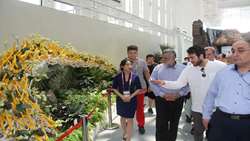
Visit of the Deputy Minister of Jihad-Agriculture from the International Seed Park in China
https://en.maj.ir//-News/Visit-of-the-Deputy-Minister-of-Jihad–Agriculture-from-the-International-Seed-Park-in-China
Visit of the Deputy Minister of Jihad-Agriculture from the International Seed Park in China Visit of the Deputy Minister of Jihad-Agriculture from the International Seed Park in China Abbas keshavarz, deputy of agriculture affairs of theministry of Jihad-Agriculture, who traveled to China visited the ChineseInternational Seed Park, located in the city of Tongji in northern Beijing. According to the Ministry of Jihad-Agriculture Informationcenter, quoted by IRNA, he visited various sections of th
Jul 28 201917:23
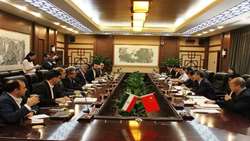
Extending Iran-China Agricultural Cooperation: Minister of Jihad-Agriculture’s visit to China
https://en.maj.ir//-News/Extending-Iran–China-Agricultural-Cooperation:-Minister-of-Jihad–Agriculture’s-visit-to-China
Extending Iran-China Agricultural Cooperation: Minister of Jihad-Agriculture’s visit to China Extending Iran-China Agricultural Cooperation: Minister of Jihad-Agriculture’s visit to China Mahmoud Hojjati, Minister of Jihad-Agriculture, hasmentioned that: The relations between China and Iran are politically superior,and also economically these relations are expanding in various fields,including agriculture. According to theMinistry of Jihad-Agriculture Information center, quoted by IRNA, MahmoudH
Jul 27 201912:42

Increase by 4 times in shrimp production in the last six years: Iran seeks to develop export markets for shrimp in the world
https://en.maj.ir//News/Increase-by-4-times-in-shrimp-production-in-the-last-six-years:-Iran-seeks-to-develop-export-markets-for-shrimp-in-the-world
Increase by 4 times in shrimp production in the last six years: Iran seeks to develop export markets for shrimp in the world Increase by 4 times in shrimp production in the last six years: Iran seeks to develop export markets for shrimp in the world According to the information center of the Ministry ofJihad-Agriculture, quoted by ISNA, Mahmoud Hojjati added, on the sidelines ofvisiting shrimp sites in Jask, Shrimp breeding in the year 2011 was close to 12thousand tons, reaching nearly 50 thousa
Jul 15 201914:50
International fair of Qingdao entitled Feed to Food in China from Sep. 19 till 21, 2019
https://en.maj.ir//News/International-fair-of-Qingdao-entitled-Feed-to-Food-in-China-from-Sep·-19-till-21,-2019
International fair of Qingdao entitled Feed to Food in China from Sep. 19 till 21, 2019 International fair of Qingdao entitled Feed to Food in China from Sep. 19 till 21, 2019 margin-left:0.0000pt;text-indent:0.0000pt;padding:0pt 0pt 0pt 0pt ;text-align:justify;text-justify:inter-ideograph;line-height:18.0000pt;background:#f8f9fa;">Qingdao International Exhibition to be held in Shandong province, China from September 19 till 21, 2019.margin-left:0.0000pt;text-indent:0.0000pt;padding:0pt 0pt 0pt
Jun 25 201917:14
Production of Garlic in IRAN and Export to Various Countries
https://en.maj.ir//News/Production-of-Garlic-in-IRAN-and-Export-to-Various-Countries
Production of Garlic in IRAN and Export to Various Countries Production of Garlic in IRAN and Export to Various Countries More than 355,900 tons of wet and dried garlic were produced in the country from 2017 to 2018. According to a report from the information center of the Ministry of Jihad-Agriculture, Director General of Forage Products said: Out of this amount, 207,181 tons of garlic were produced in the past year, which 148,732 tons of it was dried garlic. He also added that: The most impor
Jun 9 201913:34
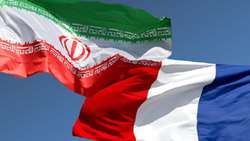
Meeting of veterinary committees of Iran, France, China, and Ukraine
https://en.maj.ir//News/Meeting-of-veterinary-committees-of-Iran,-France,-China,-and-Ukraine
Meeting of veterinary committees of Iran, France, China, and Ukraine Meeting of veterinary committees of Iran, France, China, and Ukraine Head of the Iranian Veterinary Organization met with the Head of Veterinary Affairs of France, and the French Veterinary Head congratulated the Director of Veterinary Affairs of Iran for his appointment as the Secretary General of the Asia-Pacific region of the OIE, and expressed his willingness for the development of cooperation between Iran and France.Dr. R
Jun 2 201909:51
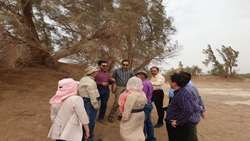
FRWO and China Expand Cooperation on Desertification Control
https://en.maj.ir//News/FRWO-and-China-Expand-Cooperation-on-Desertification-Control
FRWO and China Expand Cooperation on Desertification Control FRWO and China Expand Cooperation on Desertification Control A group of Chinese experts from the Gansu Desert Control Research Institute (GDCRI) visited the Shahdad and Bam desertification control projects in Kerman province on Tuesday.A group of Chinese experts from the Gansu Desert Control Research Institute (GDCRI) visited the Shahdad and Bam desertification control projects in Kerman province on Tuesday. ccompanied this group on
May 30 201904:04
Emphasis on the development of agricultural research cooperation between Iran and China
https://en.maj.ir//-News/Emphasis-on-the-development-of-agricultural-research-cooperation-between-Iran-and-China
Emphasis on the development of agricultural research cooperation between Iran and China Emphasis on the development of agricultural research cooperation between Iran and China In a meeting with the senior managers of the Agricultural Research, Training and Promotion Center of the Ministry of Jihad-Agriculture (MJA), and the High Representative Board from China's Yanian Province, with the subject of signing a joint cooperation agreement, the emphasis was put on the development of agricultural res
May 23 201915:32