


.jpg)
Qeshm mobilizes local communities to expand native tree planting
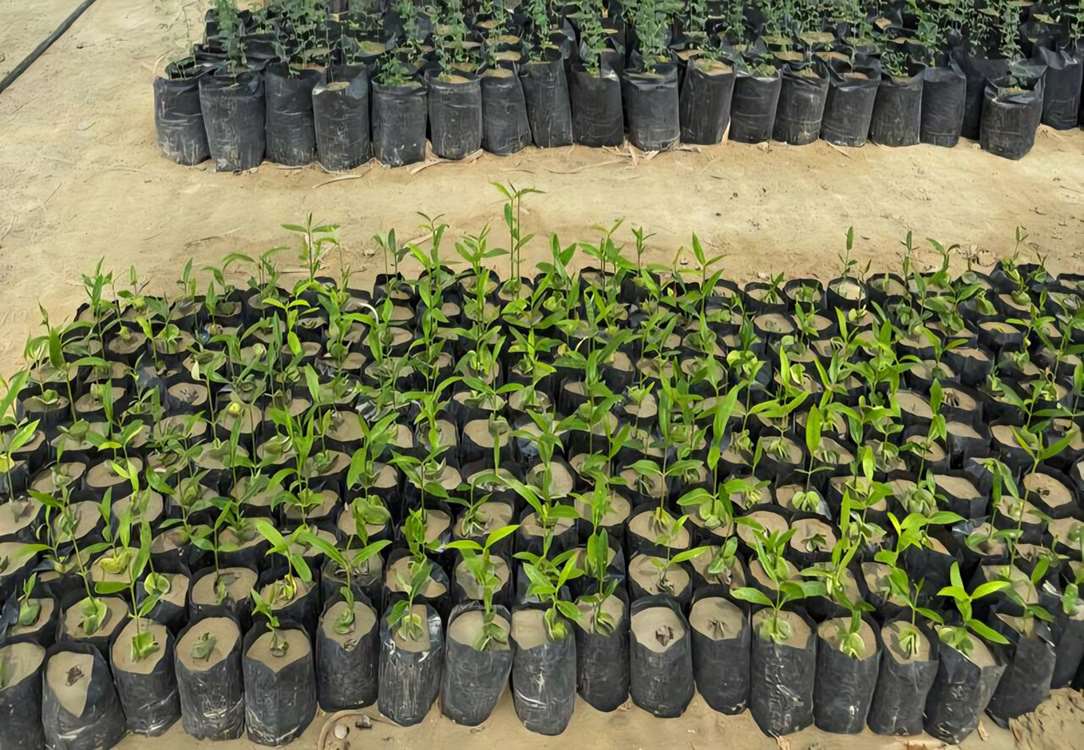
Qeshm – Qeshm Island, Iran's biggest island in the Persian Gulf, is stepping up efforts to protect its native vegetation by involving local communities in tree planting, seedling production and maintenance, linking biodiversity conservation with sustainable tourism and rural development.
Seyed Mohammad Hashem Dakhteh, head of the environmental department at the Qeshm Free Zone Organization, said community participation was key to establishing a sustainable model for expanding green spaces and safeguarding the island’s natural heritage.
During a tree-planting ceremony in Soheili village held as part of Tourism Week, 50 seedlings of ghaf and jujube—two native tree species—were planted with the participation of local officials and community elders.
Dakhteh said Soheili has the capacity to produce 10,000 seedlings, providing a foundation for expanding native vegetation restoration across the island.
Plans for the next phases include collecting seeds, selecting parent trees, producing and maintaining seedlings, transporting them and planting them at designated sites. Local communities are expected to participate throughout the process, from seedling production to planting and maintenance.
Dakhteh emphasized that development on Qeshm should integrate environmental protection, tourism and local cultural identity, reflecting the close relationship between the island’s communities and its natural environment.
Qeshm, home to the Middle East’s first UNESCO Global Geopark, is known for its distinctive geological formations, coastal ecosystems and rich biodiversity. Its natural attractions include the Hara mangrove forests, Stars Valley, Chahkooh Canyon and Namakdan Salt Cave.
The initiative aims to strengthen community-led conservation while protecting the island’s native plant cover and supporting sustainable nature-based tourism.


comment please