


.jpg)
Iranian researchers highlight gene editing as next-generation agricultural tech
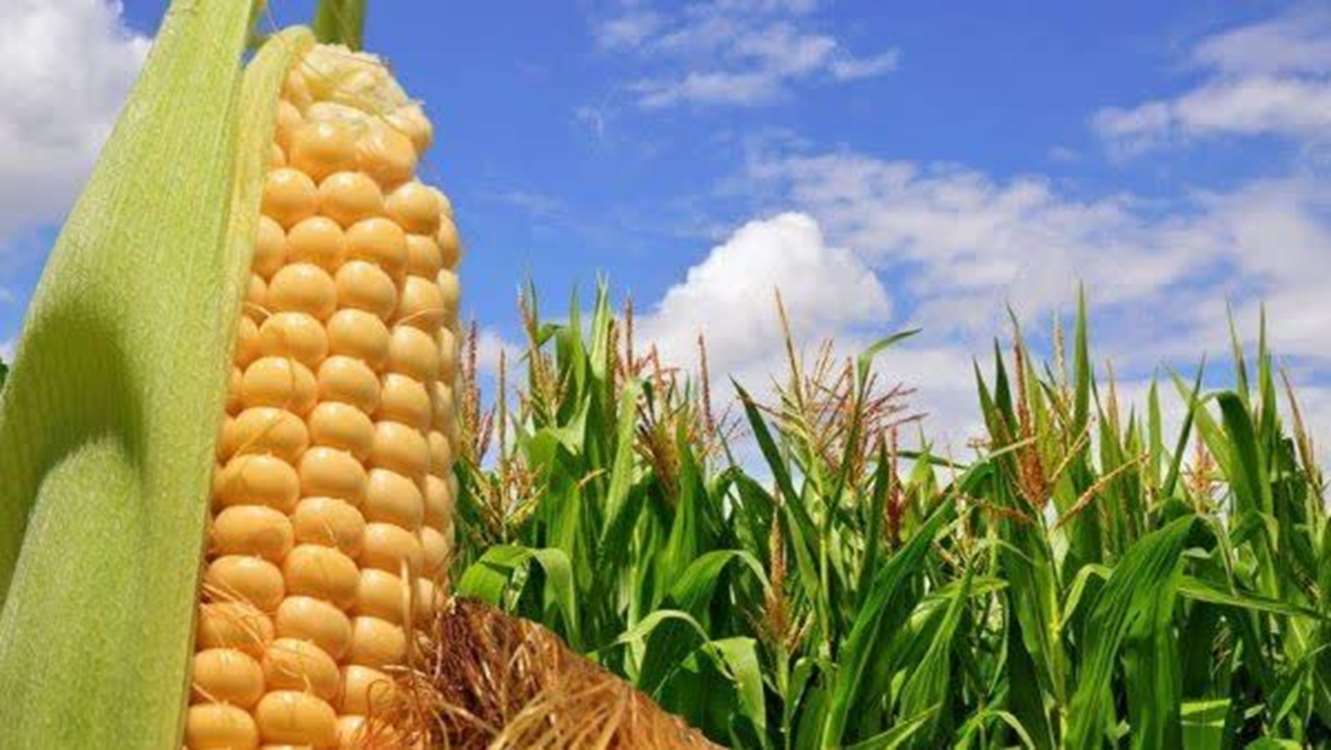
Terhan – Iranian agricultural scientists have underscored the potential of gene-editing technology as a new generation of crop improvement, saying it could play a vital role in strengthening global food security and helping meet the nutritional needs of a world population expected to reach nearly 10 billion by 2050.
Gholamreza Salehi, Deputy for Research at the Agricultural Research, Education and Extension Organization (AREEO), said modern gene-editing techniques are gradually replacing conventional genetic modification methods in agricultural research.
He noted that the technology has the potential to reduce agricultural water consumption by around 20 percent, substantially increase crop yields, and lower reliance on chemical pesticides.
“Gene-edited crops differ from conventional genetically modified (GM) crops in that they involve precise alterations to an organism's existing DNA rather than the introduction of foreign genetic material, although regulatory definitions vary among countries. Despite ongoing scientific advances, Iran's Seventh National Development Plan prohibits the cultivation of genetically modified crops within the country.”
Globally, however, biotechnology has become an integral part of modern agriculture. According to the Food and Agriculture Organization of the United Nations (FAO), approximately 200 million hectares of genetically modified crops are cultivated each year worldwide—an area nearly 17 times larger than Iran's total arable land.
The technology remains the subject of scientific and public debate. Critics have raised concerns about its possible long-term effects on human health and the environment, arguing that genetic manipulation could alter biological characteristics in ways that warrant continued caution. Scientists and regulatory authorities in many countries, however, generally maintain that approved genetically modified and gene-edited crops undergo rigorous safety assessments before commercial use.
Ali Rasooli, a senior plant breeding specialist, said plant breeding technologies have evolved significantly in recent years, with gene editing offering greater precision than earlier genetic engineering methods and potentially reducing unintended genetic changes.
He added that biotechnology is currently used primarily in cotton, soybean, maize, and canola, crops that are largely processed into vegetable oils, animal feed, or industrial products rather than consumed directly.
According to Rasooli, no verified evidence has demonstrated adverse health effects from approved applications of these crops.
Current international data indicate that around 70 countries either cultivate or import genetically modified crops. The United States, Brazil, Argentina, Canada, and India remain the world's leading producers.
The United Nations projects that the global population will approach 10 billion by 2050, requiring agricultural production to increase by at least 60 percent to meet future food demand. Experts argue that achieving this objective will require a combination of technological innovation, sustainable farming practices, improved crop genetics, and more efficient use of natural resources.
Ruhollah Azimi, a senior nutrition expert, said future food production will face mounting pressures from climate change, global warming, floods, water scarcity, and soil degradation. He noted that researchers worldwide are exploring a range of alternative food sources—including edible insects, which have already been incorporated into diets and culinary education in some countries—as part of broader efforts to enhance global food security.
Supporters of agricultural biotechnology often cite India's cotton sector as an example of the technology's economic impact. Over approximately 15 years, India expanded genetically modified cotton cultivation to cover about 90 percent of its cotton-growing area, contributing to a significant increase in production and helping transform the country from a net importer into a major exporter. The expansion has also been associated with reduced pesticide use, improved water-use efficiency, higher yields, and increased incomes for many cotton farmers.


comment please