


.jpg)
Iranian beekeeping sector mapped, 86,000 apiaries counted
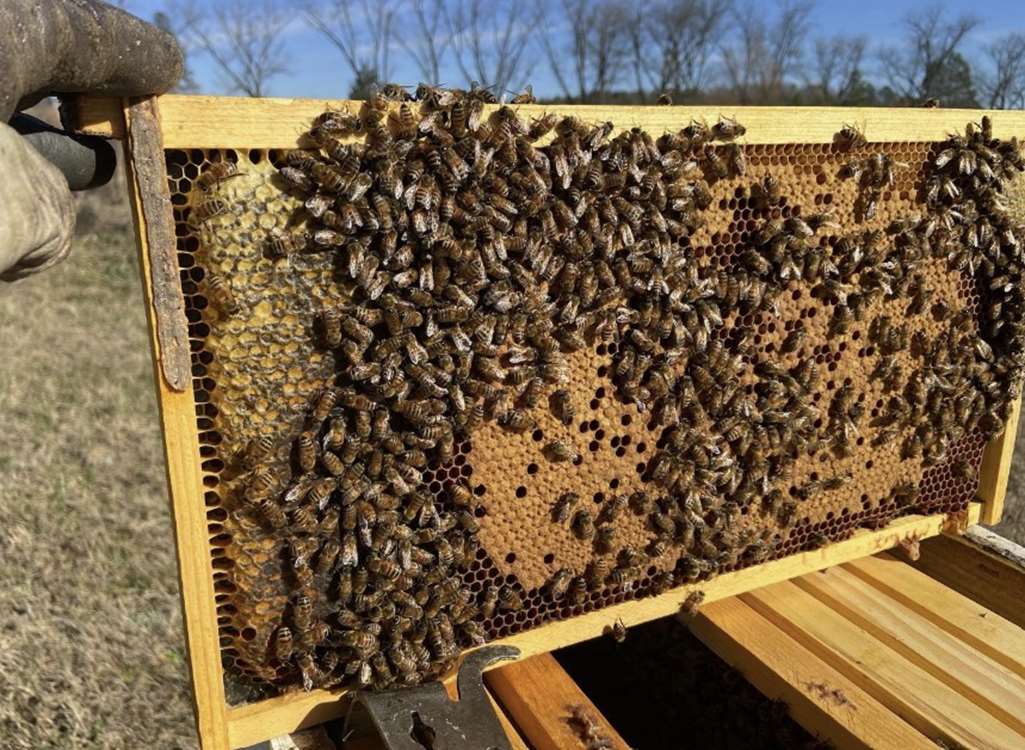
Tehran - The deputy for livestock production affairs of the Ministry of Agriculture announced the completion of the apiary census in the country for the current Iranian calendar year 1404 (started on March 21) and stated that the census of 86,000 apiaries across 448 counties was completed this year.
Mohammad Ebrahim Hassan-Nejad added: “Based on the results of the apiary census in the autumn of 1404, we have approximately 10.2 million honey bee colonies in 86,088 apiaries, which have produced about 127,087 tons of honey.”
The deputy for livestock production affairs of the Ministry of Agriculture stated the average honey production per colony in the country as 12.7 kilograms and noted: “According to this census, despite the drought phenomenon in most regions of the country and the shortage of nectar and pollen sources, we had a 0.12 percent increase in production compared to the year 1403. This is due to increased awareness and the enhancement of beekeepers' technical knowledge per unit area and improved production management in apiaries.”
He emphasized: “In addition to honey production, approximately 9 tons of royal jelly, 801 tons of bee pollen, over 227 tons of propolis, 2,378 tons of beeswax, 6.68 kilograms of bee venom, and 9 tons of bee bread (as a new product) were produced. This achievement resulted from encouraging beekeepers to produce higher value-added products in the beekeeping industry, in line with the policy of moving beekeeping away from single-product production.”
Hassan-Nejad said: “According to the results of this census, the number of individual beekeepers is over 85,000, and the number of direct employees in this subsector (excluding the beekeepers themselves) is more than 58,000.”
He added that a total of 40,553 beekeepers are covered by insurance (including beekeeping insurance and other insurances).
The official noted that “The results from the apiary census enable forecasting the necessary requirements to achieve goals and implement supportive and developmental programs aligned with the five-year outlook, broken down by province. We hope that by identifying strengths and weaknesses, we can take effective steps for the further development of the industry.”
Iran is a major player in the global honey industry, holding a unique position due to its diverse climate, rich flora, and long tradition of beekeeping. The country is consistently among the top 5 honey producers in the world.
Recently, Mohammad Mohammadzadeh, Head of the North Khorasan Agriculture Organization, said, “North Khorasan produces approximately 3,000 tons of honey and royal jelly each year, with a share of this output exported to foreign markets”.
He emphasized that expanding the beekeeping value chain, particularly through the development of high value–added products such as royal jelly, is a strategic priority, noting that this approach can help diversify the province’s beekeeping sector beyond single-product production and create more sustainable income opportunities for producers.


comment please