


.jpg)
FAO, Mashhad University partner to enhance saffron authenticity testing
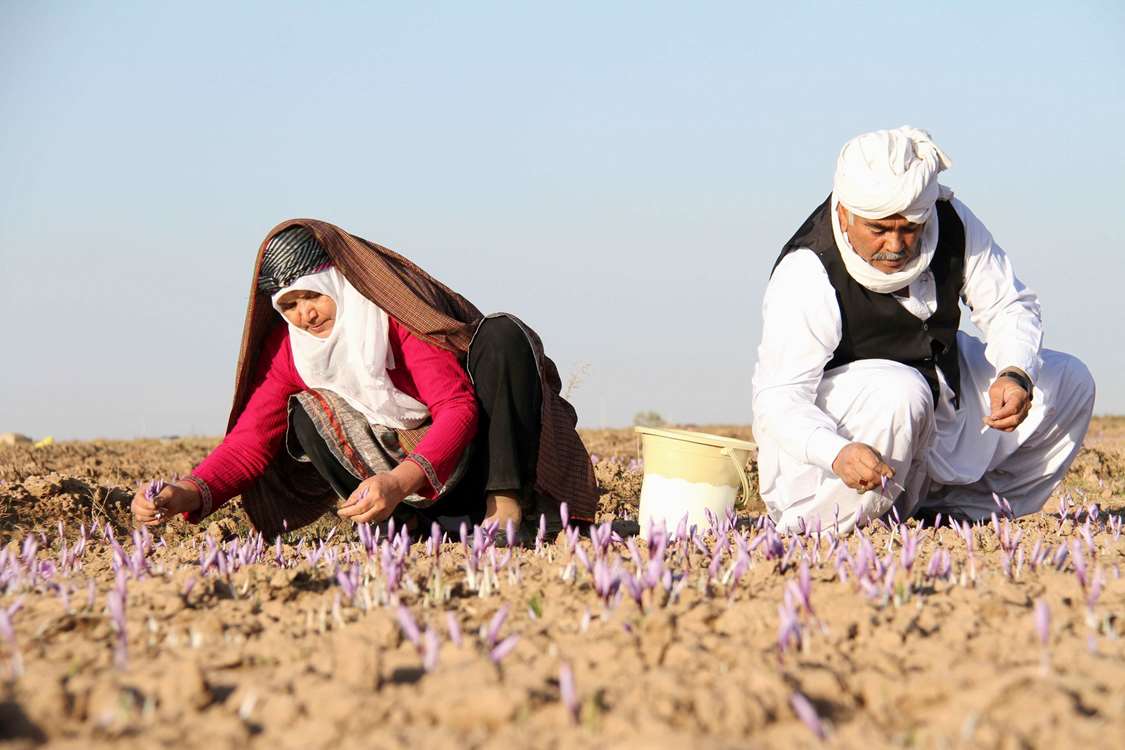
Tehran – The Food and Agriculture Organization of the United Nations (FAO) and Mashhad University of Medical Sciences (MUMS) have signed a letter of agreement to advance scientific methodologies for testing saffron authenticity.
The initiative falls under the joint Technical Cooperation Program between FAO and Iran’s Ministry of Agriculture.
Iran accounts for more than 90 percent of global saffron production, making the integrity of the supply chain essential for farmers’ livelihoods and for safeguarding the country’s agricultural reputation. Known as “red gold,” saffron faces persistent challenges in global trade, including adulteration and inconsistent post-harvest practices that undermine value and consumer trust.
“To address these issues, FAO is collaborating with MUMS to strengthen procedures for testing, processing, and marketing saffron,” said Farrukh Toirov, FAO Representative in the Islamic Republic of Iran. “This partnership combines advanced laboratory verification with practical post-harvest guidance to better define saffron’s quality and protect its authenticity and reputation.”
At the heart of the project is a scientifically validated fingerprinting approach using high-resolution Nuclear Magnetic Resonance (NMR) technology. This method precisely characterizes saffron’s key constituents, crocin, picrocrocin, and safranal, offering a more reliable authenticity profile than routine tests alone. Complementary work will provide practical guidelines for preserving saffron’s colour, flavour, and aroma from harvest to consumer.
As part of the LoA, MUMS will also lead training programmes for farmers, traders, and laboratory experts across Khorasan Razavi, North Khorasan, and South Khorasan—the main saffron-producing provinces. These capacity-building efforts aim to align practices with international requirements, reduce fraud, and ensure global buyers receive a trustworthy product.
While international trade often relies on ISO 3632 standards for saffron grading, these methods do not always detect subtle quality differences or sophisticated adulteration, and they offer limited advice on handling after harvest. The FAO–MUMS initiative aims to bridge these gaps by introducing more advanced protocols and raising quality benchmarks.
By fostering transparency, improving quality control, and strengthening safeguards, the collaboration is expected to boost consumer confidence, enhance export opportunities, and deliver greater returns to Iranian farmers. It also contributes to FAO’s broader mission in Iran: supporting food authenticity, reinforcing agricultural value chains, and ensuring competitiveness of local products in international markets.
Source: FAO


comment please