


.jpg)
Chickpea forage key to sustainable soil health in East Azarbaijan’s rainfed farms: Official
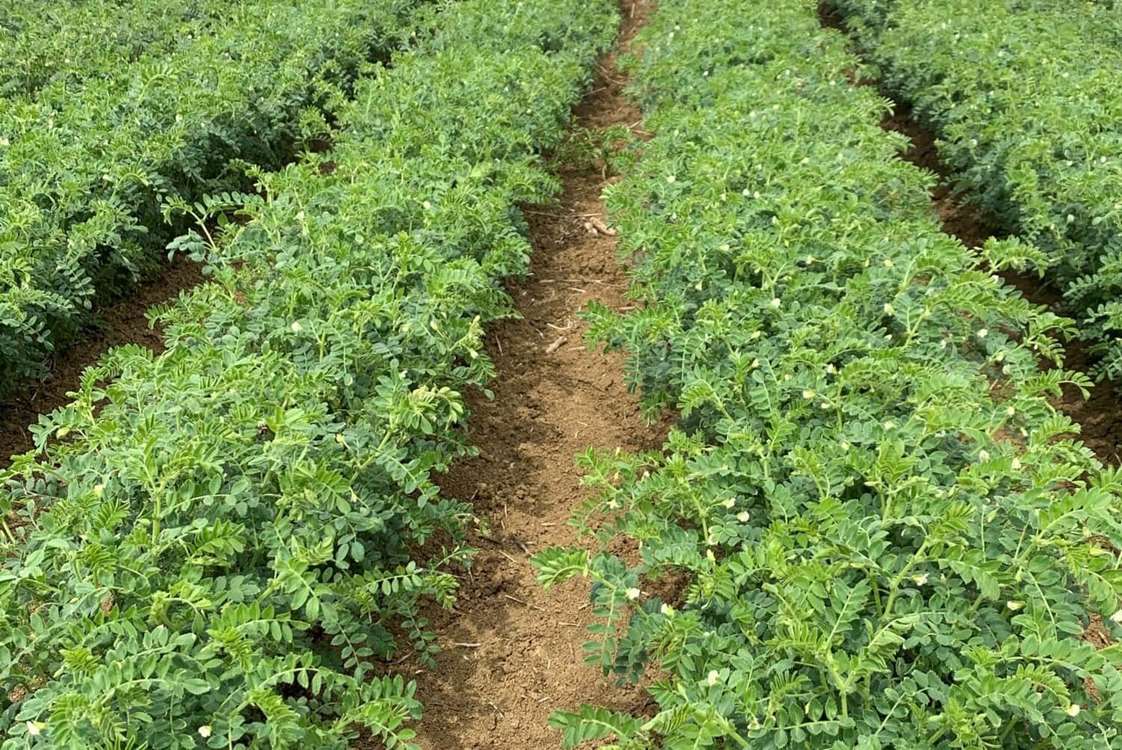
East Azarbaijan - In a bid to advance sustainable agriculture and optimize resource efficiency, the cultivation of chickpea forage crops in rainfed lands has been introduced as a strategic solution in East Azarbaijan Province, according to a senior agricultural official.
Jalal Rahimzadeh, Director of Crop Affairs at East Azarbaijan province’s Agricultural Organization, highlighted the forage chickpea’s resilience to harsh climatic conditions, including drought and cold. He described the crop as cost-effective and highly beneficial for soil health.
“The plant’s deep root system fixes nitrogen in the soil, reducing the need for chemical fertilizers while improving soil structure and increasing organic matter,” he explained, adding that chickpea forage crops serve as an excellent rotational crop alongside wheat in rainfed farming systems, demonstrating strong adaptability to the region and producing high-quality livestock fodder.
Regarding fertilization in rainfed conditions, Rahimzadeh noted that the plant’s natural symbiosis with rhizobium bacteria significantly reduces the need for nitrogen fertilizers.
He recommended an application of 50 kilograms each of phosphorus and nitrogen per hectare during autumn planting, supplemented by a spring foliar spray of two liters of amino acid and two kilograms of NPK (20-20-20) per hectare to support optimal growth.
Rahimzadeh emphasized the crop’s vital role in enhancing soil fertility and ensuring sustainable fodder production. “Cultivating chickpea forage crops exemplifies the efficient use of water, soil, and natural resources to achieve sustainable and economically viable agricultural production,” he said.


comment please