


.jpg)
Tabriz University develops smart robots to slash agricultural pesticide use
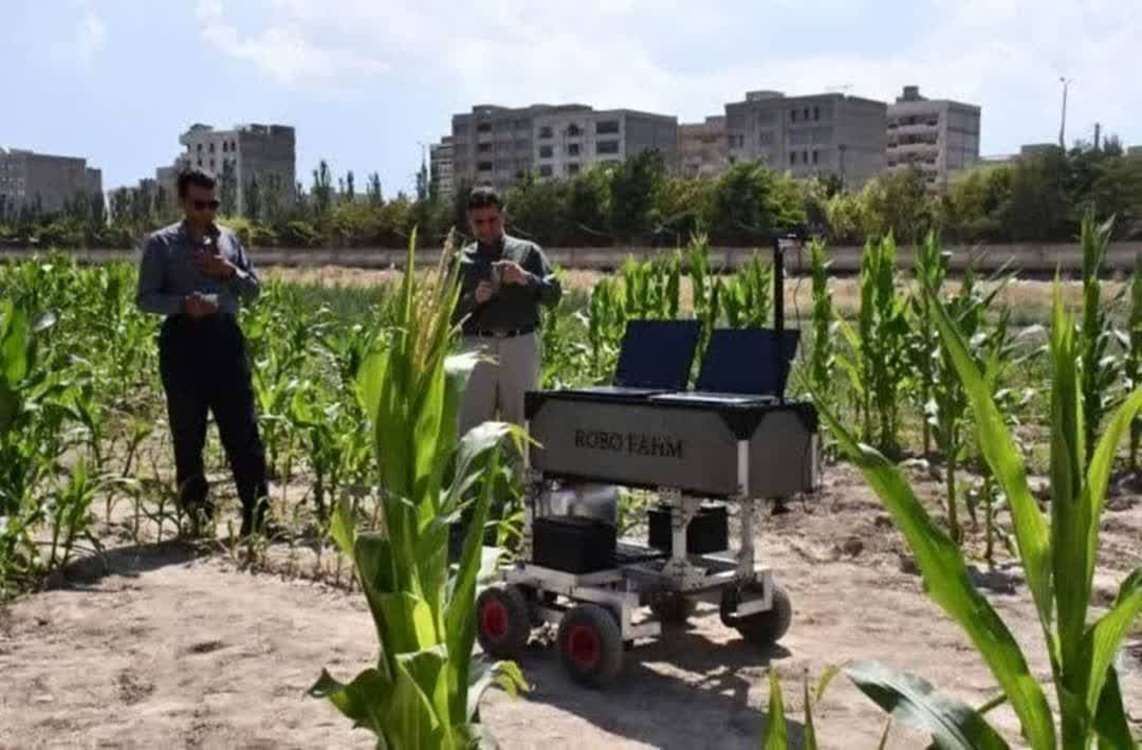
East Azarbaijan - Researchers at the University of Tabriz have developed a series of smart spot-spraying robots capable of detecting weeds with artificial intelligence (AI) and machine vision and applying pesticides only where needed, potentially cutting pesticide use by up to 95 percent.
Hossein Behfar, a faculty member of the university’s Biosystems Engineering Department, said the technology was developed following 18 years of research by the department’s researchers.
The robots use AI algorithms and deep-learning technology to distinguish weeds from crops and carry out targeted spraying only in identified locations. According to the results of field trials, the approach can reduce pesticide consumption by around 95 percent.
Behfar said the technology offers a significant difference from conventional spraying methods, including tractor-mounted sprayers and some aerial spraying systems, which can expose large areas of farmland to pesticides. The Tabriz University robots, by contrast, identify weeds precisely and deliver pesticides directly to the affected areas.
Six operational field robots in different sizes and models were unveiled at an event marking the launch of the technology. The robots are equipped with different types of robotic arms, including Cartesian and delta arms, and have been tested on crops such as chickpeas, sugar beets and corn.
Autonomous navigation and precision spraying
The robots can connect wirelessly to smartphones, allowing operators to guide them from their storage location to the field. Once in the field, a front-mounted camera and image-processing system identify crop rows and enable the robots to navigate between them autonomously, without continuous user intervention.
A second camera, together with an AI-powered machine-vision system, detects weeds and determines their precise location. The system then directs the spraying nozzle to the identified spot, ensuring that pesticides are applied only within the required area.
Behfar said the relatively small average size of agricultural holdings in Iran has led the research team to focus on developing smaller, lower-cost robots, which he described as a more economically viable approach than large-scale field robots.
The team is also developing robotic technologies for harvesting greenhouse crops, including tomatoes, cucumbers and peppers. Behfar said work was under way to complete a greenhouse harvesting robot, while technologies such as laser-based systems and mechanical grippers are also being developed.
He said the expansion and commercialization of such technologies could reduce reliance on chemical pesticides while improving the precision and efficiency of agricultural operations, helping advance Iran’s agriculture toward more sustainable, smart and resource-efficient production.


comment please