


.jpg)
Iran, China launch joint rice research center, deputy minister says
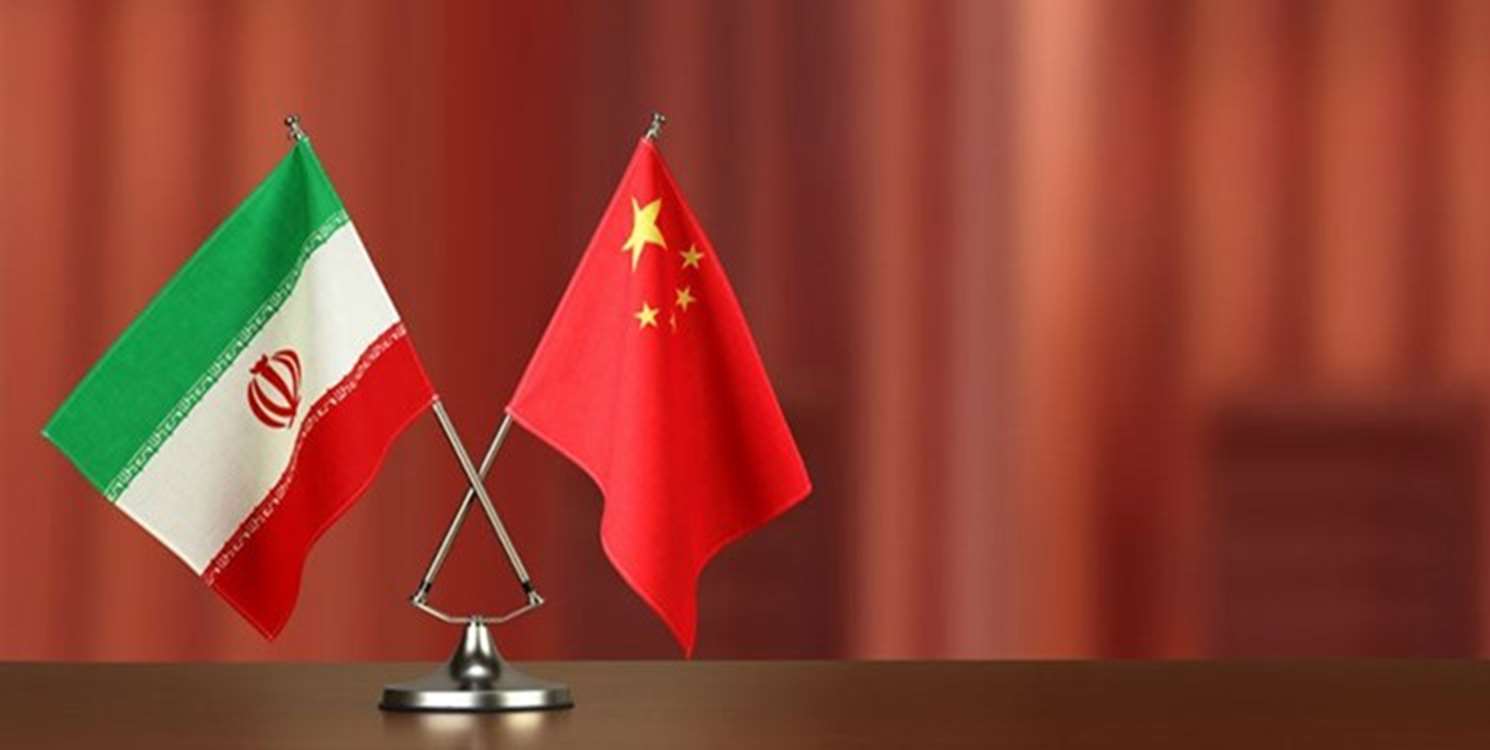
Tehran – Iran’s Deputy Minister of Agriculture has announced the establishment of a joint Iran–China Rice Research Center aimed at developing hybrid and drought-resistant rice varieties capable of producing over six tons per hectare.
The initiative also includes plans to import new high-yield sugarcane varieties from China with double the current productivity.
Gholamreza Golmohammadi, Deputy Minister of Agriculture and Head of the Agricultural Research, Education, and Extension Organization (AREEO), said in an interview with Tasnim’s economic correspondent that although food is officially exempt from international sanctions, “since the return of sanctions in 2018, most international agricultural research institutions—except for the FAO—have withdrawn from Iran, restricting scientific cooperation and access to genetic resources.”
“Despite these challenges,” he continued, “Iran has maintained active scientific collaboration with China under the framework of the 25-year comprehensive cooperation agreement.”
Iranian Researchers to Receive Advanced Training in China
Golmohammadi explained that following reciprocal visits by senior officials from both countries—including those by himself, the Minister of Agriculture, and the President of Iran to China—permissions were granted to send Iranian agricultural researchers for training.
“Under this agreement,” he said, “six young Iranian researchers will receive advanced training in seed breeding, fully funded by the Chinese government. The programs cover areas such as horticulture, oilseeds, wheat, rice, potatoes, rapeseed, and ornamental plants.”
Import of New High-Yield Sugarcane Varieties
He noted that one researcher has already been dispatched, and the initial results of these training courses have been promising. Negotiations are also underway to import new sugarcane varieties with yields twice as high as current domestic strains, marking the first such import since the 1979 Islamic Revolution.
Golmohammadi added that private-sector specialists will also be sent to China for specialized training, particularly in silkworm farming and sugarcane production.
Expanding Cooperation: Rice, Tea, and Silk Research
Announcing the establishment of the Iran–China Joint Rice Research Center, Golmohammadi said the center’s focus will be the development of high-yield hybrid and drought-tolerant rice varieties capable of achieving over six tons per hectare.
He added that negotiations are also underway to create joint tea and silk research centers, alongside the exchange of germplasm to strengthen Iran’s genetic banks. “These efforts will help us develop plant varieties resilient to drought and other environmental stresses,” he said.
Chinese Tea Technology and Genetic Innovation
Highlighting China’s advanced achievements in tea research, Golmohammadi said that joint development of new tea cultivars, production technologies, and processing methods are key components of the cooperation agreement. “So far, between 30 and 70 percent of the agreed projects have already been implemented,” he noted.
He emphasized that all expenses related to training, accommodation, and living costs of Iranian researchers are fully covered by the Chinese side, making the program cost-free for Iran. Future discussions during the upcoming Shanghai Cooperation Organization (SCO) meeting in China will address the continuation of these partnerships and the financing of joint research initiatives.
Iran’s Reciprocal Contributions
Responding to questions about Iran’s reciprocal role, the Deputy Minister explained that Tehran has prepared a list of plant varieties suitable for exchange and is drafting protocols based on international standards to ensure that genetic material exchanges are conducted safely and strategically.
“These steps,” Golmohammadi concluded, “will ensure that Iran–China scientific cooperation in agriculture continues to expand in a mutually beneficial and sustainable way, contributing to greater food security, innovation, and resilience in both countries.”


comment please