
.jpg)
FAO, WHO warn on the risks of Antimicrobial Resistance, urge countries to prioritise infection prevention
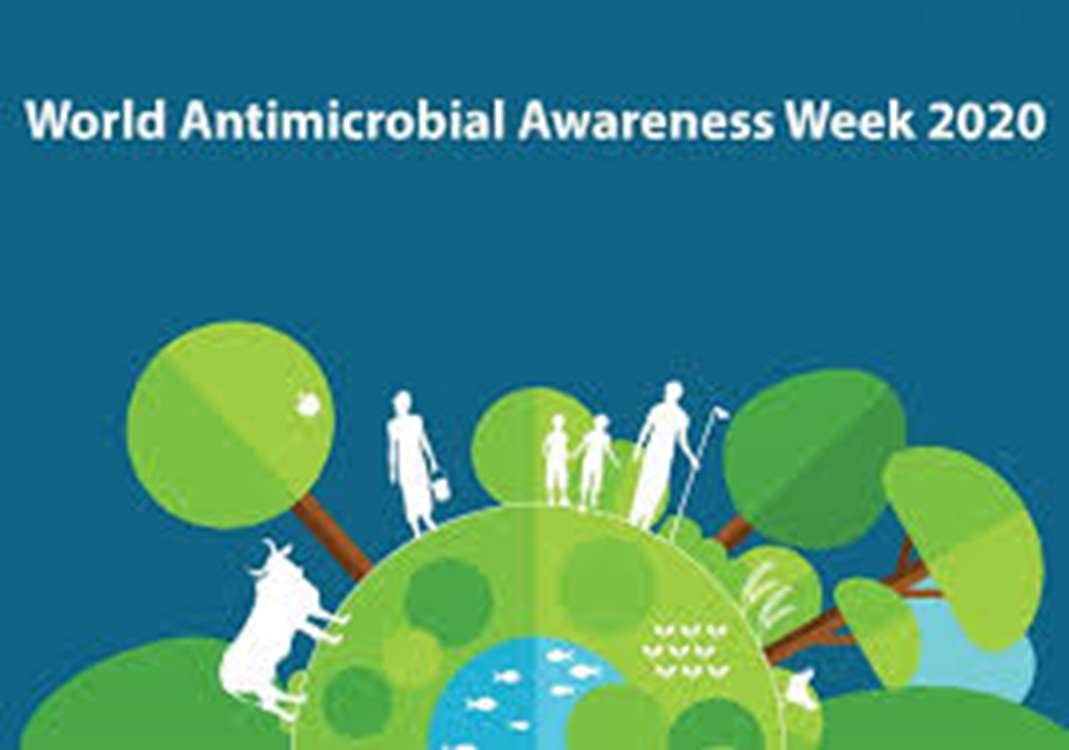
FAO, WHO warn on the risks of Antimicrobial Resistance, urge
countries to prioritise infection prevention
Antimicrobial Resistance (AMR) is not only
responsible for the death of 700 000 people per annum across the world, but
also compromises food safety, contaminates soil and water and reduces the
effectiveness of medicines and treatment options, the Food and Agriculture
Organization of the United Nations (FAO) and the World Health Organization
(WHO) warn.
AMR is a natural phenomenon where microorganisms such
as bacteria, viruses, parasites and fungi lose sensitivity to the effects of
antimicrobial medicines, like antibiotics, that were previously effective in
treating infections. As a result, infections and diseases become difficult,
lengthy and costly to be treated. Antimicrobial resistance also leads to
increased health care costs, hospital admissions, treatment failure, severe
illness and death.
However, the emergence and spread of AMR is expedited
and exacerbated by excessive and inappropriate use of antimicrobials. Given the
anticipated intensification of agricultural production in response to growing
demands of an expanding population, FAO and WHO urge Member Countries to
implement more sustainable agricultural practices that prioritise infection prevention
for healthier animals and crops and a reduced need for antimicrobials.
It is recommended for countries to adopt regulatory
mechanisms to ensure responsible use of antimicrobials in animal and crop
production or in medical practice, discouraging the use of poor quality and
falsified antimicrobial products—or using the wrong antimicrobials to treat
particular causes of diseases.
Furthermore, FAO and WHO also warn that AMR organisms
and antimicrobial residues are present in wastes from agricultural production,
pharmaceutical manufacturing, and human sewage. Inadequate treatment and
improper disposal of wastes can spread antimicrobial residues and AMR
microorganisms through the environment in soils and in waterways.
Antimicrobial resistance is making many infections
harder to treat worldwide. WHO’s latest reporting shows that the world is
running out of effective treatments for several common infections.
FAO and WHO support Member States in adopting the “One
Health” approach in the fight against AMR, and bring together human health,
animal health and environment health as one.
Robust monitoring, integrated surveillance, increasing
capacities for antimicrobial stewardship across all sectors are needed together
with raising public awareness among the public and professionals.