


.jpg)
Sistan-Baluchestan harvests over 2,000 tons of Chiku fruit
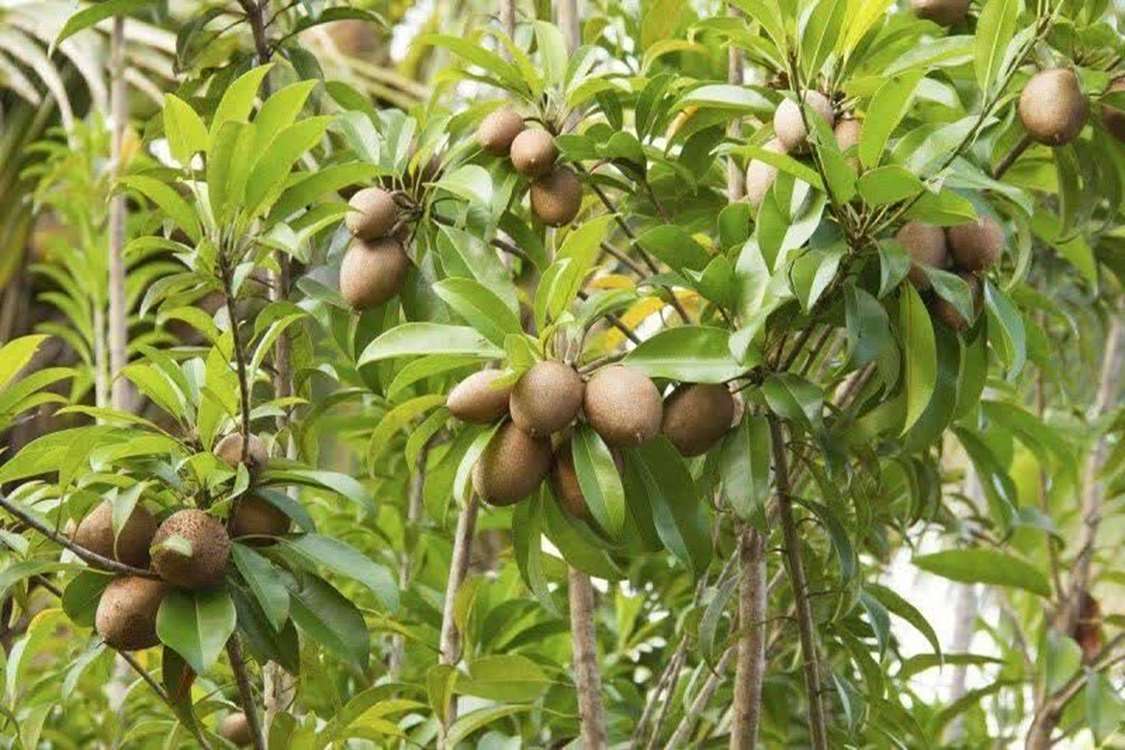
Sistan-Baluchestan – An agricultural official in Iran’s southeastern province of Sistan and Baluchestan have reported the harvest of 2,037 metric tons of chiku, a tropical fruit, from more than 230 hectares of cultivated orchards this season.
According to Ardeshir Shahraki, Deputy for Plant Production Improvement at the provincial Agricultural Organization, the fruit is predominantly grown in the counties of Chabahar, Sarbaz, Konarak, and Qasr-e-Qand—areas known for their favorable subtropical microclimates.
Shahraki emphasized that Sistan and Baluchestan holds the top position nationally in tropical fruit production, with an annual yield exceeding 300,000 tons. The province is a key producer of a wide array of tropical species, including jujube, chikoo, tamarind, coconut, guava, papaya, almond, palsa, jambolan, custard apple, banana, and pineapple.
He attributed the province’s agricultural prominence to its warm, humid, near-equatorial climate, which supports a level of biodiversity unmatched in Iran. "In the cultivation of certain fruits, including chikoo, this province stands entirely without rival," he noted.
The deputy further stated that the counties of Dashtiari, Zarabad, Sarbaz, Konarak, and Chabahar together account for the largest share of the province’s tropical fruit-growing area.
Chiku, also known as sapote, thrives in the southern reaches of Sistan and Baluchestan, where the hot and humid conditions are ideal for its growth. The fruit is valued both as a food source and in traditional medicine.
The fruit is distinguished by its thin, smooth, light-brown skin. While unripe specimens bear yellowish to light-brown flesh that is firm and rich in latex, ripe chiku offers a reddish, exceptionally sweet, and juicy pulp with a flavor often compared to pear—and is completely free of latex.
Beyond its culinary uses, various parts of the chiku tree—including flowers, leaves, immature fruit, peel, and seeds—are utilized for their therapeutic properties. Individual fruits typically weigh between 100 and 400 grams.


comment please