


.jpg)
Iranian aquaculture institute drives innovation with UNDP support
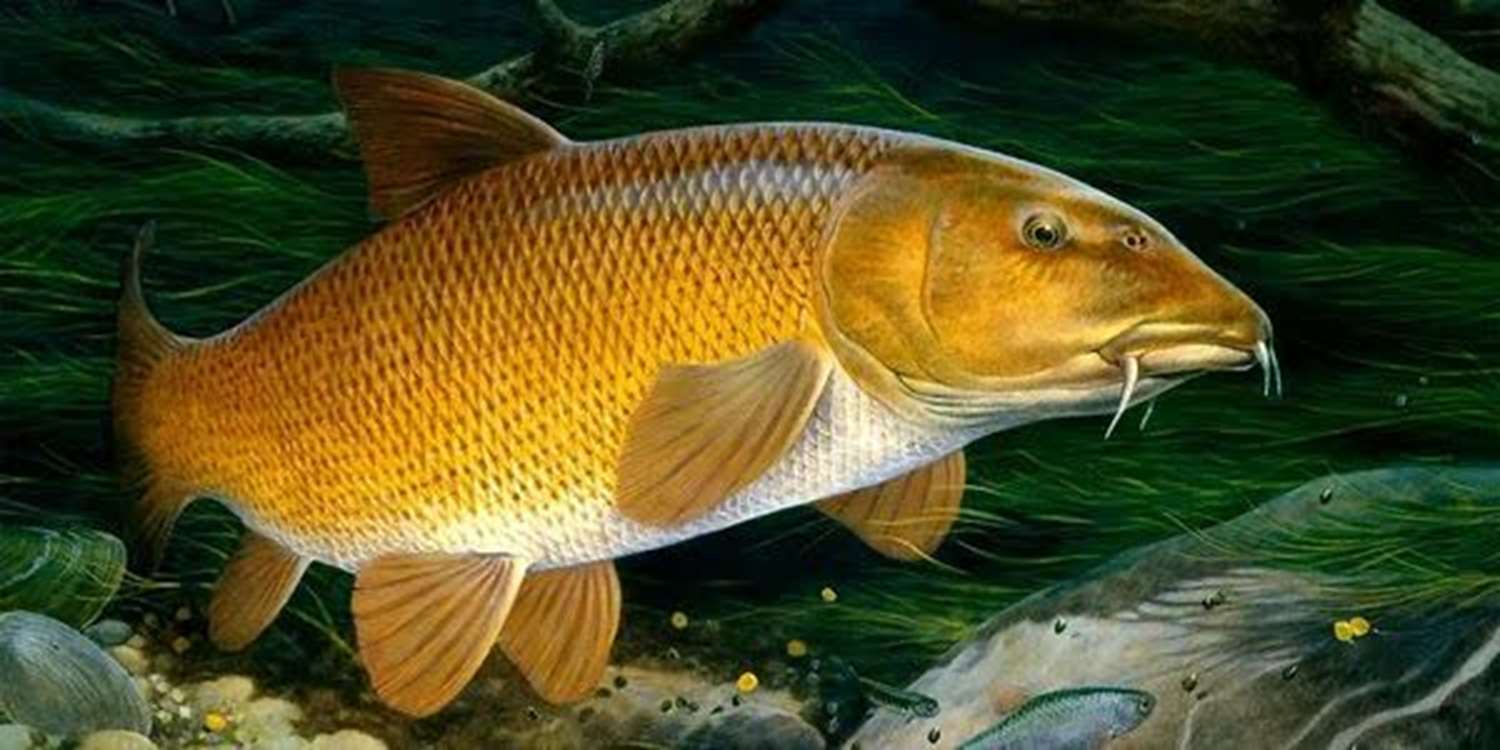
Tehran - With support from the United Nations Development Programme (UNDP), Iran’s Inland Aquaculture Research Institute has become a hub of innovation in the country’s fisheries sector.
According to the institute’s head, the center has achieved major milestones such as the first artificial breeding of the native Zardepar fish, the development of the fourth generation of Tata carp, creation of a rapid VHS disease detection kit, and production of over 23 new seafood products, including fish ice cream.
“The Zardepar, a valuable and endangered species native to the Caspian Sea, was successfully bred in captivity for the first time — an important step in conserving biodiversity supported by the IUCN,” Dr. Sayad Bourani said.
In partnership with Hungary’s HAKI Institute, researchers also produced the fourth generation of Tata common carp, helping restore genetic diversity to Iran’s aquaculture, he added.
“In addition, a low-cost rapid VHS test kit was developed locally, enabling fish farms to quickly diagnose and contain viral outbreaks without relying on imports.”
Bourani noted that while global fish consumption averages 22 kilograms per person, Iran’s is about 14 kilograms, particularly low in inland regions.
“To address this, the Aquatic Products Processing Research Center, founded in Gilan Province in 2004 with UNDP support, has focused on increasing fish consumption and value-added production from small species like kilka and sardines.”


comment please