
.jpg)
Iran studying plans for extraterritorial cultivation in Iraq
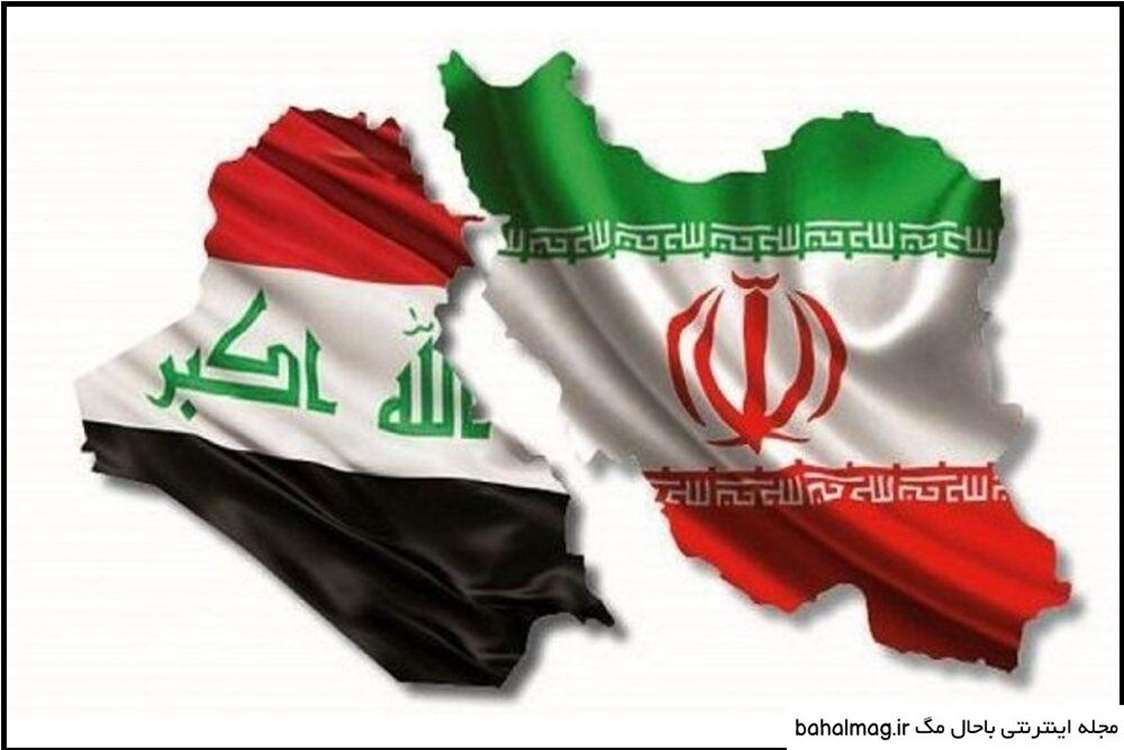
Iran studying plans for extraterritorial cultivation in
Iraq
In central and southern Iraq, where agriculture depends
mainly on irrigation from the Tigris and Euphrates rivers, mixed farming
systems are predominant. Dates are a major cash and food crop with fruit trees
interplanted in date palm orchards.
Vegetables, mainly tomatoes and potatoes, are important
irrigated crops. Livestock raising is extensively practiced and inland
fisheries and backyard poultry raising are valuable as a source of protein and
income for the rural population.
The Iranian Ministry of Agriculture has sent a delegation of
experts to Iraq to study feasibility plans for developing its extraterritorial
cultivation on the neighboring country’s soil.
Abdolhadi Motlagh, the head of Iran’s Jihad Esteghlal
Institute, and Mohammad Javad Askari, who is the Chairman of the Commission on
Agriculture, Water, and Natural Resources of the Iranian Parliament, have
traveled to Iraq to sit down with Iraqi officials and discuss the possibility
of launching extraterritorial cultivation there, according to the Public
Relations Office of the Ministry.
Given the capacities and common commonalities of the
governments and people of Iran and Iraq, and taking into account the technical
capacities of both sides and their level of cooperation in the sector of
agriculture, it is possible to implement extraterritorial cultivation in Iraq,
Motlagh said ahead of the trip.
In Iraq, agriculture is mostly practiced on small farming
units and it is a low input–low output system. Crop yields are low by any
comparative standards as farmers tend to minimize costs concerned with land
preparation, planting, weeding and harvesting. Crop production is the major
source of income for the majority (75 percent) of farmers in Iraq, while the
rest depend on livestock or mixed crop and livestock enterprises. Grains,
primarily wheat and barley, are Iraq’s main crops in the north and central
rainfed areas.
In central and
southern Iraq, where agriculture depends mainly on irrigation from the Tigris
and Euphrates rivers, mixed farming systems are predominant. Dates are a major
cash and food crop with fruit trees interplanted in date palm orchards.