


.jpg)
Iran launches major haloculture program to tackle soil salinity
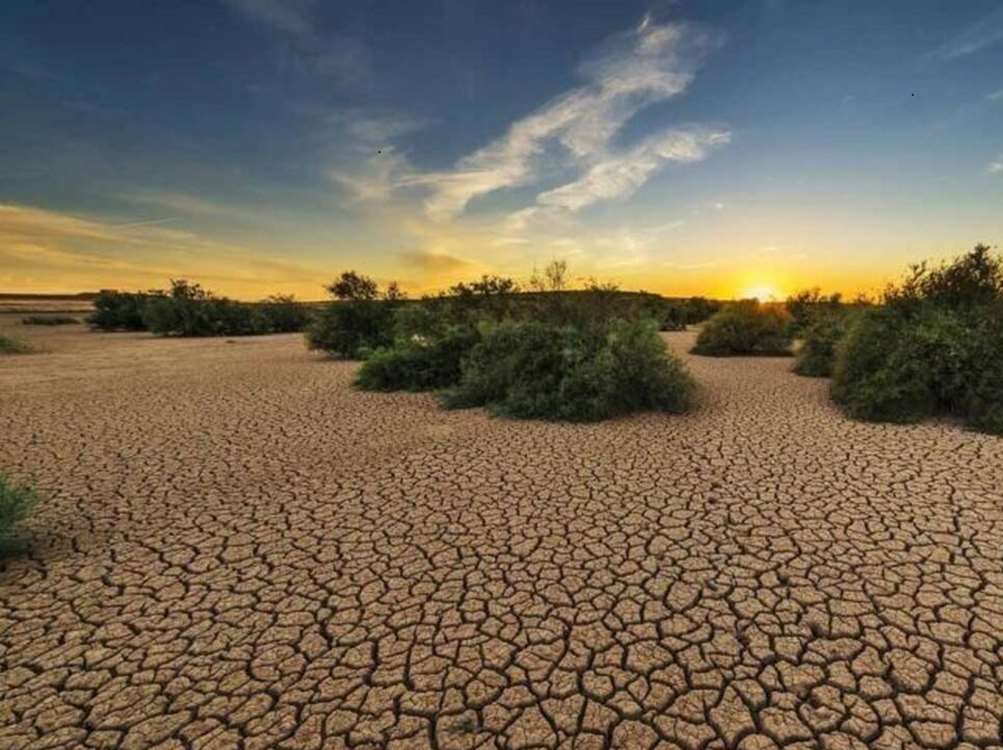
Tehran — In response to growing concerns over water and soil salinity and the impacts of climate change on agriculture, Iran has launched a major haloculture (saltwater farming) program aimed at strengthening climate resilience and promoting sustainable land use.
The initiative, led by the National Salinity Research Center, is currently being implemented across several pilot farms nationwide, according to Mohammad Hassan Rahimian, head of the National Salinity Research Center.
“Haloculture can play a vital role in ensuring food security by enabling the production of forage, timber, and oilseeds on otherwise non-arable land. It also supports biodiversity, combats desertification, and helps address social challenges such as unemployment,” he said.
The initiative is part of a comprehensive national plan to enhance adaptation to salinity and climate change through the development and cultivation of salt-tolerant species. Launched in 2024, the program is now underway in seven provinces: Yazd, Golestan, South Khorasan, Bushehr, Khuzestan, Qom, and Sistan and Baluchestan.
During the first phase of this four-year plan, selected farmers have begun planting resilient species such as Salicornia, alkali millet, and Kochia on saline lands, under the supervision of the center.
Rahimian also revealed plans to establish integrated haloculture systems that combine salt-tolerant crop cultivation with aquaculture and livestock production, aiming to improve resource efficiency, farmers' income, and long-term sustainability.
In managing on-farm salinity, the official highlighted three core strategies — hydraulic, chemical, and biological methods — each designed to reduce the impact of salinity on crops and minimize yield losses.
“Our goal is to make saline lands productive again. With the right combination of scientific methods and local engagement, haloculture can become a practical solution for many of the environmental and economic challenges we face,” he added.


comment please