


.jpg)
Iran introduces 17 new rainfed crop varieties for cold, temperate, warm regions
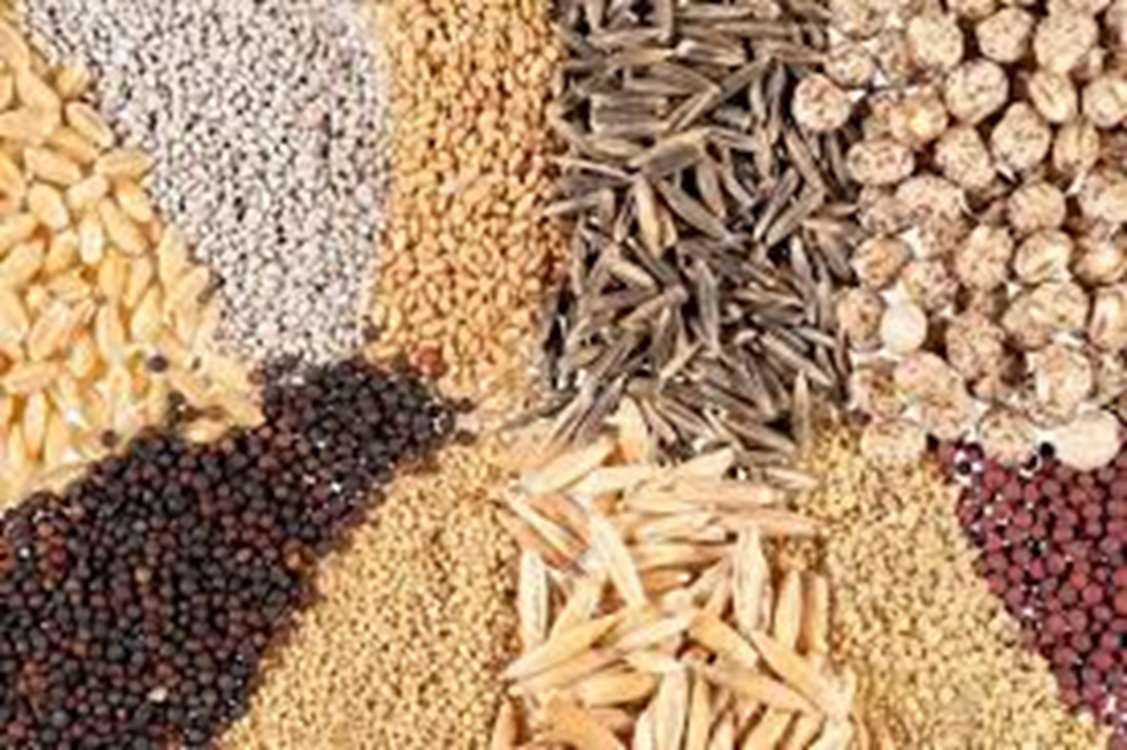
Iran introduces 17 new rainfed crop varieties for cold, temperate, warm regions
Tehran – The Dryland Agricultural Research Institute of Iran has announced the release of 17 new rainfed crop varieties developed for cultivation in the country’s cold, temperate, and warm rainfed regions.
According to Mozaffar Roustaee, the head of the institute, these newly developed varieties will be available for planting beginning in the first half of 1403 (2024–2025).
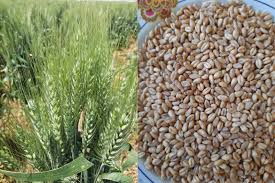
“Among the latest releases are three new spring wheat varieties - Mohtasham, Mana, and Dayan—designed for warm and temperate rainfed regions. These cultivars are distinguished by their high yield potential, greater resistance to environmental stress, and enhanced disease tolerance,” he added.
In the barley category, Roustaee said, two new varieties - Hesam and Boujan - have been introduced for cold and moderately cold climates. “They are noted for cold and drought resistance, robust grain yields, optimal plant height, high protein content, and broad adaptability.”
He highlighted that the institute has now released a total of 24 wheat varieties (including both bread and durum types) and 22 barley varieties tailored to Iran’s diverse climates.
In the legume sector, six new chickpea varieties - Alvand, Ekbatan, Toos, Maral, Nasir, and Sanabad- have been added to the national catalog, raising the institute’s total chickpea offerings to 28 varieties, with more than half suitable for autumn sowing. The last four varieties were developed in collaboration with Ferdowsi University of Mashhad, specifically for high-altitude, cold-climate regions. These additions are expected to significantly boost chickpea yields nationwide, Roustaee said.
“For forage crops, six new Lathyrus varieties - Sepideh, Simaki, Raha, Ziba, Dena, and Yazdan - have been introduced for warm and semi-warm regions. With these additions, the institute’s total number of forage crop varieties now stands at 14. These cultivars are valued for their drought and cold tolerance, strong biomass and seed yield, suitable growth height, and high protein content.”
Roustaee emphasized the strategic role of rainfed agriculture in addressing Iran’s growing demand for forage and food security.


comment please