


.jpg)
Gilan launches genetic improvement program to reduce miscarriages in nomadic sheep
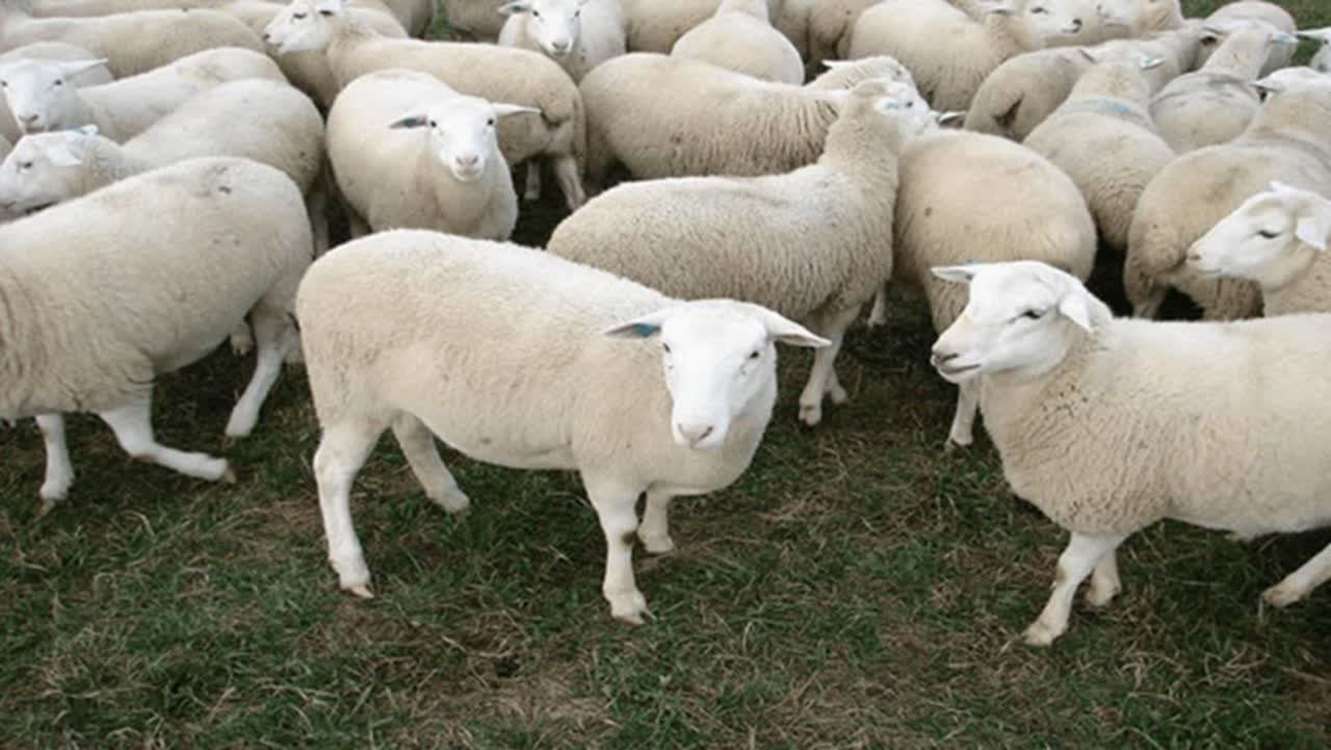
Tehran – Iran's northern Gilan Province has launched a genetic improvement program for 250 nomadic sheep, using artificial insemination with semen from elite Taleshi rams to enhance flock productivity, increase twin births, and reduce miscarriage rates, an official said.
Fereydoun Talebi, Head of Gilan's Nomadic Affairs Office, said the initiative forms part of a broader strategy to strengthen the country's red meat value chain and improve the productivity and genetic quality of livestock raised by nomadic communities.
"The project is designed to upgrade the genetic potential of nomadic flocks, increase the rate of twin lambing, and significantly reduce fetal losses," he said. "These improvements will help raise the incomes of nomadic herders while increasing the production of high-quality red meat in the province."
Talebi added that the breeding program represents an important step toward enhancing Iran's protein self-sufficiency and reinforcing the livestock production chain from breeding to market. The initiative could also serve as a model for similar programs in other nomadic regions across the country.
Highlighting the contribution of nomadic livestock producers to food security, the official stressed that continued investment in science-based breeding technologies and modern livestock management practices can significantly improve productivity and support sustainable livelihoods for nomadic communities.
Officials expect the program's expansion to increase red meat production while improving the genetic characteristics and reproductive performance of nomadic sheep flocks throughout Gilan Province.


comment please