
.jpg)
Emphasis on the development of agricultural research cooperation between Iran and China
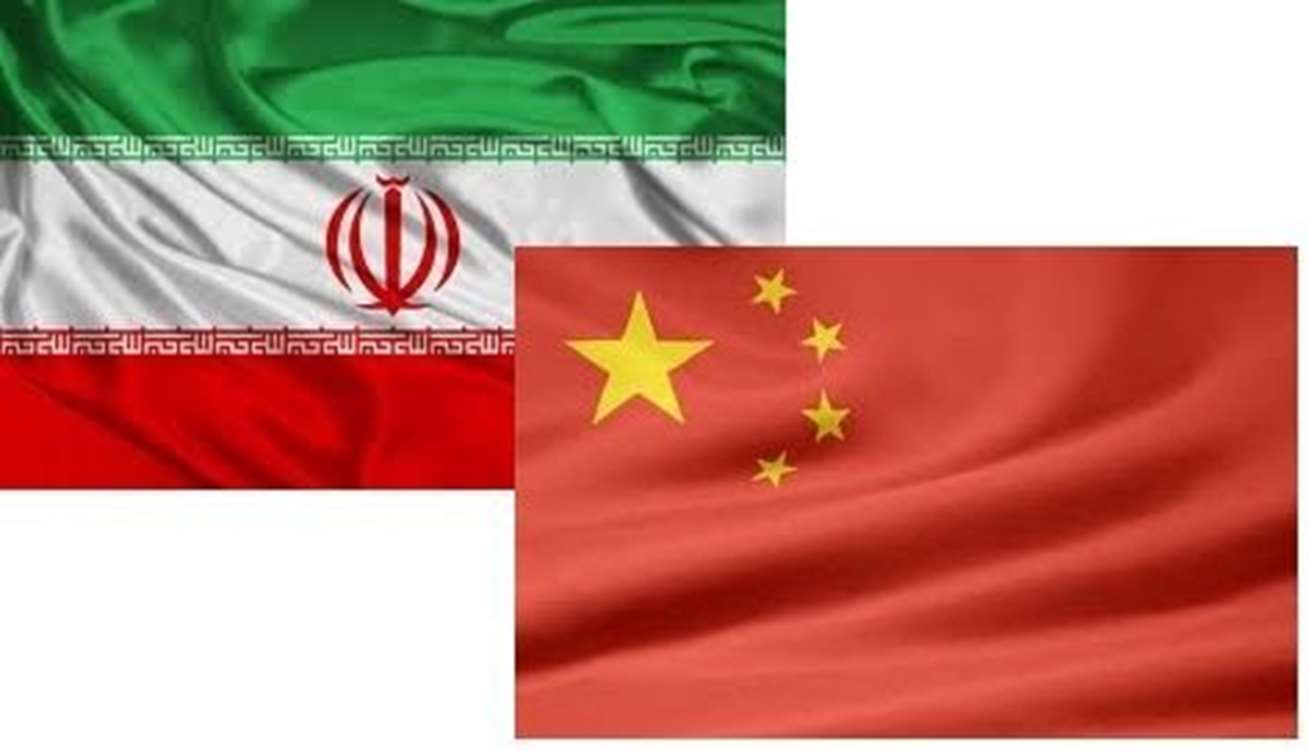
In a meeting with the senior managers of the Agricultural Research, Training and Promotion Center of the Ministry of Jihad-Agriculture (MJA), and the High Representative Board from China's Yanian Province, with the subject of signing a joint cooperation agreement, the emphasis was put on the development of agricultural research cooperation between Iran and China.
According to a report from the information center of the Ministry of Jihad-Agriculture, quoted by public relations of the research organization, director general of the office of International Communications, has told that: this organization, as the largest research organizations in the Middle East and among Islamic countries, puts the development of cooperation with China is its agenda.

At the meeting, the director general of the office of Research Affairs of the Research Organization of MJA, referred to the areas of cooperation between the research organization of MAJ and China, i.e. attention to reforming tea cultivation and processing systems, technology transfer for improving and increasing the production and development of cultivating rapeseed hybrid varieties, developing afforestation in arid-, semi-arid and salty areas, identification and monitoring of the sources of dust production and its containment strategies in Iran, and transfer of knowledge and experiences regarding cultivation, between China and Iran were emphasized in this memorandum.
Following on the meeting, China's state-run political advisor of Yanan province of China, announced their readiness to sign the memorandum, and pointed out that the signing of this memorandum could serve as the basis for deepening the relations between their state and Iran.
The political advisor of Yanin province expressed their satisfaction with the development of a bilateral agricultural research cooperation between Iran and China, and pointed out that: Yanin province, with a population of 47 million, is rich in: mineral and natural resources, plant and animal diversity, multiple climates with the capacity to produce and export varieties of cereals, can be considered in the context of expanding its engagement with Iran economically and socially, especially in order to strengthen the Chinese government's grand strategy in creating "a belt, a way" between the countries of the Silk Road rout.