


.jpg)
Black Sea escalation rekindles concerns over global grain supplies
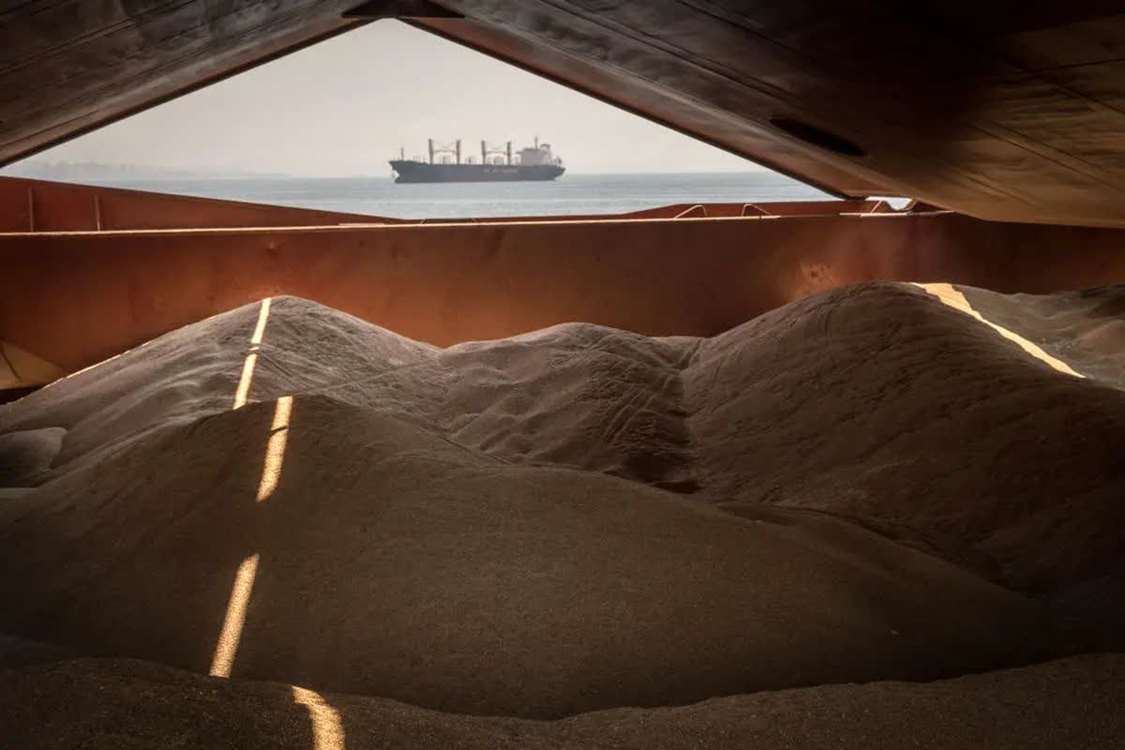
Tehran – Renewed attacks on commercial shipping in the Black Sea have heightened concerns over potential disruptions to global grain supplies, fueling uncertainty in agricultural markets and raising fears of higher food prices.
Ukraine has accused Russia of stepping up strikes on ports and merchant vessels, calling the attacks an effort to choke off its grain exports. Moscow, in turn, says Kyiv has intensified attacks in the Sea of Azov, a strategic corridor that handles around one-quarter of Russia’s grain shipments.
The Black Sea remains one of the world’s most important grain export routes, carrying about 70% of Ukraine’s agricultural exports. Ukraine’s Agrarian Council warned that prolonged disruption to port operations could leave 32 million tons of grain stranded in the domestic market, pushing prices below production costs and inflicting heavy losses on farmers.
Security concerns and soaring insurance premiums have also made shipowners increasingly reluctant to send vessels to Ukraine’s ports, particularly Odesa, further complicating export operations.
The latest developments have revived memories of the 2022 Black Sea blockade, which sent global food prices soaring and hit grain-importing countries in the Middle East and North Africa especially hard.
Market analysts say the renewed tensions are already supporting wheat and corn prices. The pressure is compounded by disruptions to Red Sea shipping and reduced traffic through the drought-hit Panama Canal, both of which have increased freight costs and lengthened delivery times.
While the International Grains Council believes strong harvests and comfortable global inventories should prevent a repeat of the 2022 price shock in the near term, it cautions that declining grain stocks among major producers could erode that buffer if the conflict persists.


comment please