


.jpg)
FAO representative highlights cooperatives’ role in advancing agriculture sector in Iran
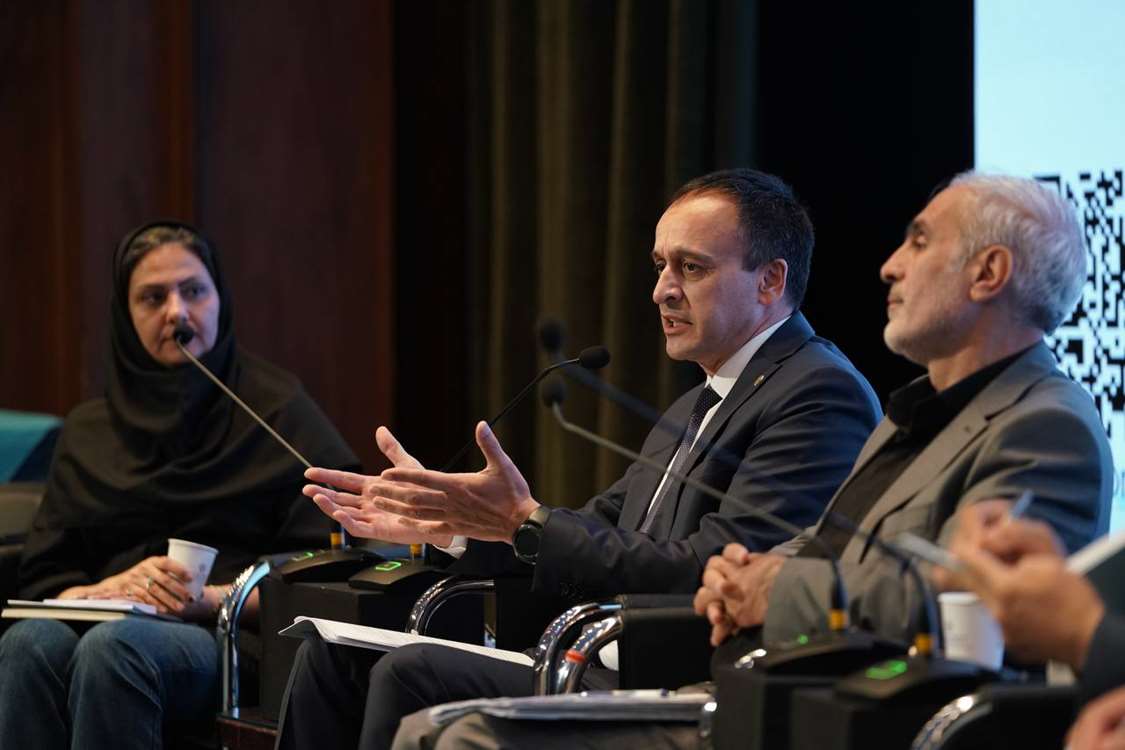
Tehran - The event, co-organized by the Government of the Islamic Republic of Iran and the United Nations, was attended by H.E. Gholamreza Nouri, Minister of Agriculture, H.E. Ahmad Meydari, Minister of Cooperatives, Labour, and Social Welfare, as well as numerous ambassadors, senior government officials, and international representatives.
Speaking as a panel member in a specialized session, Mr. Toirov emphasized that cooperatives are unique structures where individuals come together to pursue common interests, generating both individual and collective benefits. He noted that the strength of cooperatives lies in their ability to achieve “economies of scale,” where joint action produces results far greater than what members could achieve alone.
Highlighting the essence of successful cooperatives, Mr. Toirov stressed that members should not only safeguard their personal interests but also recognize and prioritize the collective good. “If every member only seeks personal advantage, the cooperative will eventually fail. True success comes when common interests are placed at the center,” he said.
Drawing on FAO’s global experiences, Mr. Toirov illustrated how leadership is a decisive factor in determining the success of cooperatives. Recalling his past assignments in other countries, he explained that while groups with strong leaders thrived, those with weaker leadership structures often collapsed despite having the same resources, training, and opportunities.
Mr. Toirov further highlighted the particular importance of cooperatives for Iran’s agriculture sector, where farming is often fragmented into very small plots due to historical traditions and land inheritance practices. “Introducing modern technologies and mechanization requires a minimum production scale, which individual smallholders cannot achieve alone. Cooperatives help bring farmers together, enabling larger-scale farming, higher productivity, and greater competitiveness in global markets,” he noted.
He also underlined FAO’s ongoing cooperation with the Government of the Islamic Republic of Iran to strengthen agricultural value chains and exports, citing saffron, pistachio, and date palm projects as examples. “For export-oriented commodities, cooperatives are essential to achieving the scale, quality, and standards required for international markets,” he added.
The conference provided a platform for policymakers, practitioners, and international partners to exchange insights on how cooperatives can drive inclusive economic growth, strengthen social solidarity, and advance the country’s development goals.


comment please