


.jpg)
Agriculture Minister: Cooperatives are engine of rural, agricultural development
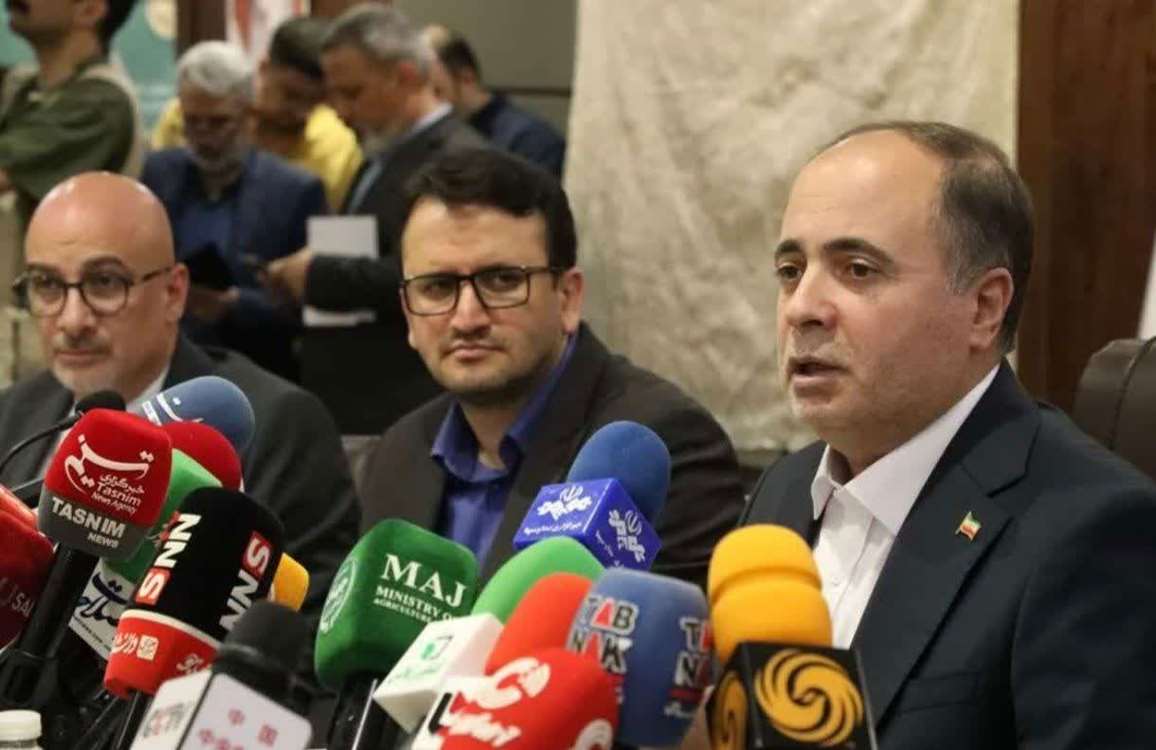
Tehran – The Iranian Agriculture Minister has called production cooperatives a driving force for rural progress, stressing that sustainable food security is impossible without the active participation of local communities.
Speaking at the second International Conference on Iran’s Cooperative Economy on Tuesday, Gholamreza Nouri underscored the importance of aligning executive policies with the broader principles of the Iranian system to strengthen cohesion, foster unity, and achieve tangible results.
He highlighted Article 44 of the Constitution as a key policy framework, setting a 25% target share for the cooperative sector and mandating government support to expand cooperatives and remove barriers to their growth.
Iran’s tradition of rural and agricultural cooperation, the minister noted, dates back centuries, reflected in practices such as collective farming, community irrigation management, and shared livestock raising.
Since the Islamic Revolution, he said, cooperatives have received strong institutional backing as a cornerstone of production and distribution.
Nouri described agriculture as not only the backbone of food security but also a pillar of social and economic stability.
He praised agricultural cooperatives for improving rural livelihoods by giving small farmers access to resources, services, and markets, while fostering a new generation of skilled, knowledgeable farmers. He cited the UN’s designation of this year as the International Year of Cooperatives under the motto “Cooperatives Build a Better World”, adding that Iran firmly embraces this vision.
According to the minister, Iran produces more than 130 million tons of agricultural and livestock products annually, with exports exceeding $8.5 billion. "Cooperatives play an essential role in this success, with more than 8,000 organizations and 8.2 million members operating nationwide."
The Agriculture Ministry, he added, is prioritizing cooperative development to raise productivity, reduce middlemen, strengthen value chains, and boost farmers’ incomes. However, the sector still faces challenges such as limited access to financing, unnecessary government intervention, inadequate training, and weak institutional coordination — issues the 14th government is working to resolve.
Nouri concluded that in advanced economies, governments serve primarily as policymakers, guides, and facilitators, while producer organizations and associations drive production and distribution. Iran, he said, is following this model by streamlining licensing procedures, strengthening training programs, and empowering members, with 98% of the country’s agricultural activity now carried out by the private sector.


comment please