


.jpg)
Iran urges UNESCAP partnership to combat drought, sanctions fallout
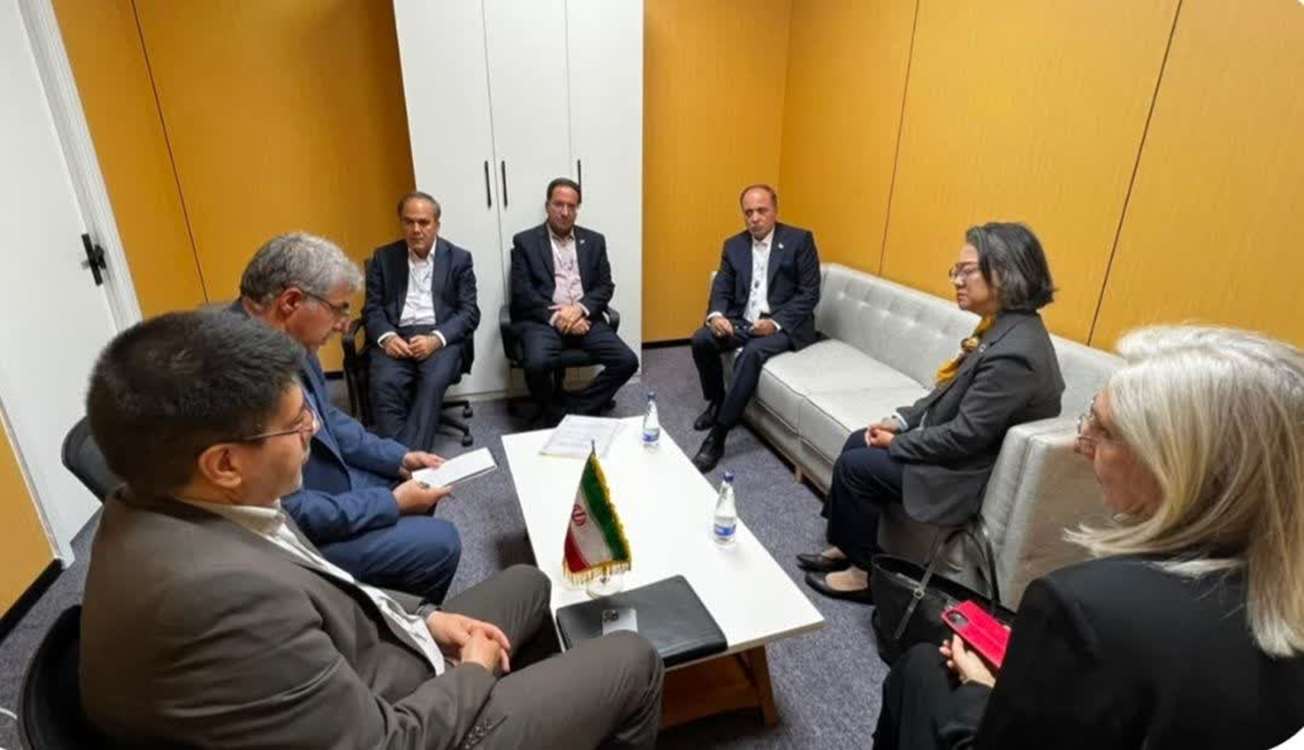
ULAANBAATAR – Iran's Minister of Agriculture has issued a fervent call for expanded regional cooperation with the United Nations Economic and Social Commission for Asia and the Pacific (UNESCAP), urging joint action to confront mounting challenges in drought management, water scarcity, climate resilience, and food security—while also demanding an official assessment of the environmental toll exacted by geopolitical tensions in the Persian Gulf.
The appeal came during a high-level meeting on the margins of the 17th Conference of the Parties (COP17) to the UN Convention to Combat Desertification (UNCCD), currently convening in Ulaanbaatar, Mongolia.
Minister Gholamreza Nouri held talks with UNESCAP Executive Secretary Armida Salsiah Alisjahbana, presenting a comprehensive roadmap for deepening institutional ties and translating dialogue into deliverable outcomes.
Painting a stark picture of the pressures confronting Iran's farming sector, he underscored the compounded effects of recent regional upheavals and the enduring stranglehold of international sanctions. “These external constraints, he explained, have severely hampered the procurement of critical agricultural inputs, the transfer of advanced technologies, and the stability of supply chains—threatening not only production capacity but the very fabric of national food security.”
The minister took a swipe at the US for its interventions in the region. "These interventions, acts of aggression, and blatant violations of international law are fueling global food price inflation," Nouri asserted, calling on international bodies to acknowledge and address the ripple effects of such actions.
In a decisive move, Nouri formally requested that UNESCAP and the Asia-Pacific Centre for Disaster Information Management (APDIM) conduct authoritative investigations into the environmental and humanitarian consequences of conflicts in the Persian Gulf region. He called for detailed reporting on the damage inflicted upon Iran's disaster management infrastructure, the broader ecological degradation, and the long-term ramifications for regional stability—arguing that such assessments are essential for informed policymaking and international accountability.
Beyond diagnostics, the minister offered a concrete proposal for collaboration: the design and operationalization of a trilateral initiative involving Iran, UNESCAP, and APDIM, focused on integrated drought risk management, food security enhancement, desertification control, and sustainable land rehabilitation.
Emphasizing the urgency of moving from rhetoric to reality, Nouri insisted that existing institutional capacities and prior agreements must be rapidly converted into field-level projects with clear timelines and measurable benchmarks. To ensure sustained momentum, he proposed that technical working groups from both sides convene virtually every six months—a mechanism designed to maintain accountability and foster continuous progress.


comment please