


.jpg)
Indigenous farming knowledge in Iran’s southeast offers blueprint for sustainable agriculture
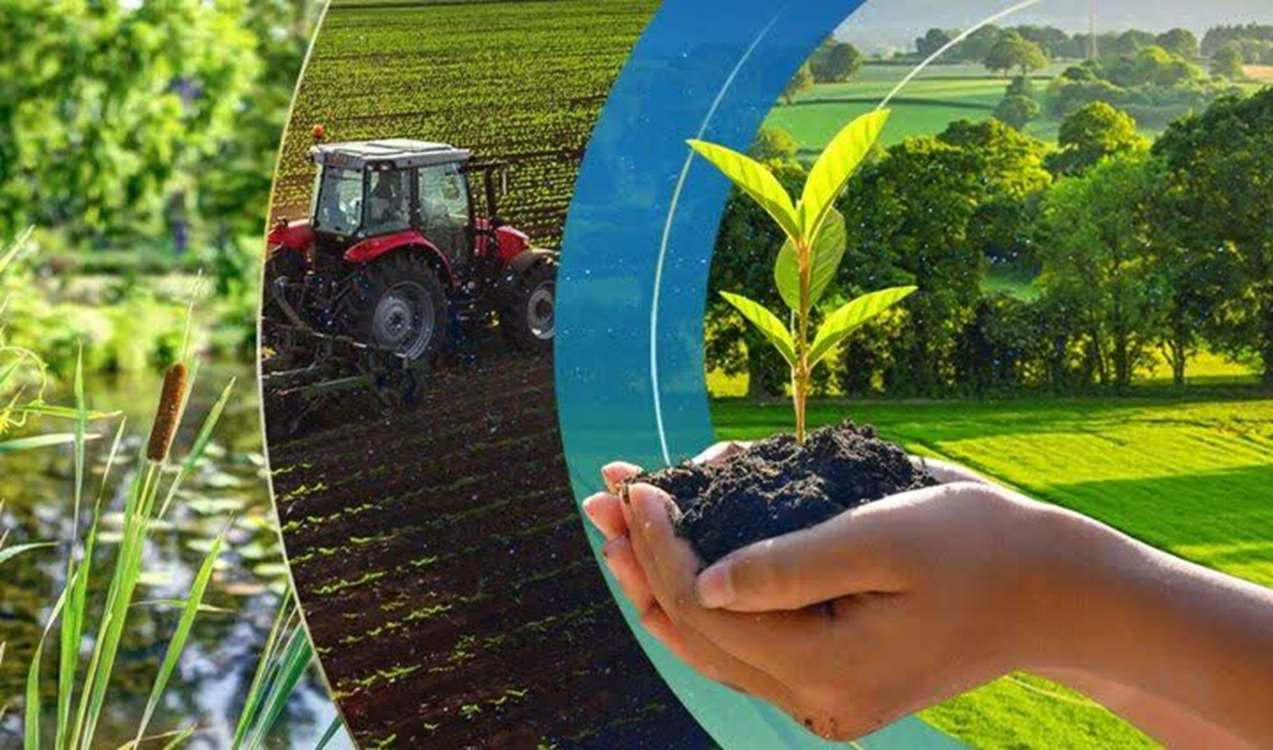
Tehran – Indigenous farming knowledge in Iran’s southeastern province of Sistan and Baluchestan could play a key role in advancing sustainable agriculture and protecting ecosystems when combined with modern science, according to a local agricultural official.
Khaled Miri said traditional farming practices represent a complete ecological system based on harmony with nature rather than outdated techniques.
He warned that decades of heavy reliance on chemical inputs and unsustainable water use have increased yields in the short term but degraded soils, reduced crop quality, and damaged ecosystems.
“Among the region’s successful indigenous practices are integrated crop–livestock farming, agroforestry systems that combine rice cultivation with date palm groves, the use of clover as green manure, and irrigation with nutrient-rich water from fish ponds to naturally improve soil fertility.”
Miri also highlighted traditional crop storage methods and the use of compost and animal manure as cost-effective, environmentally friendly practices that preserve soil health and reduce dependence on industrial inputs.
He emphasized that integrating indigenous knowledge with modern agricultural research can enhance productivity, improve long-term profitability, and strengthen environmental sustainability.


comment please