



Artemia farming gains ground as Iran eyes sustainable aquaculture future
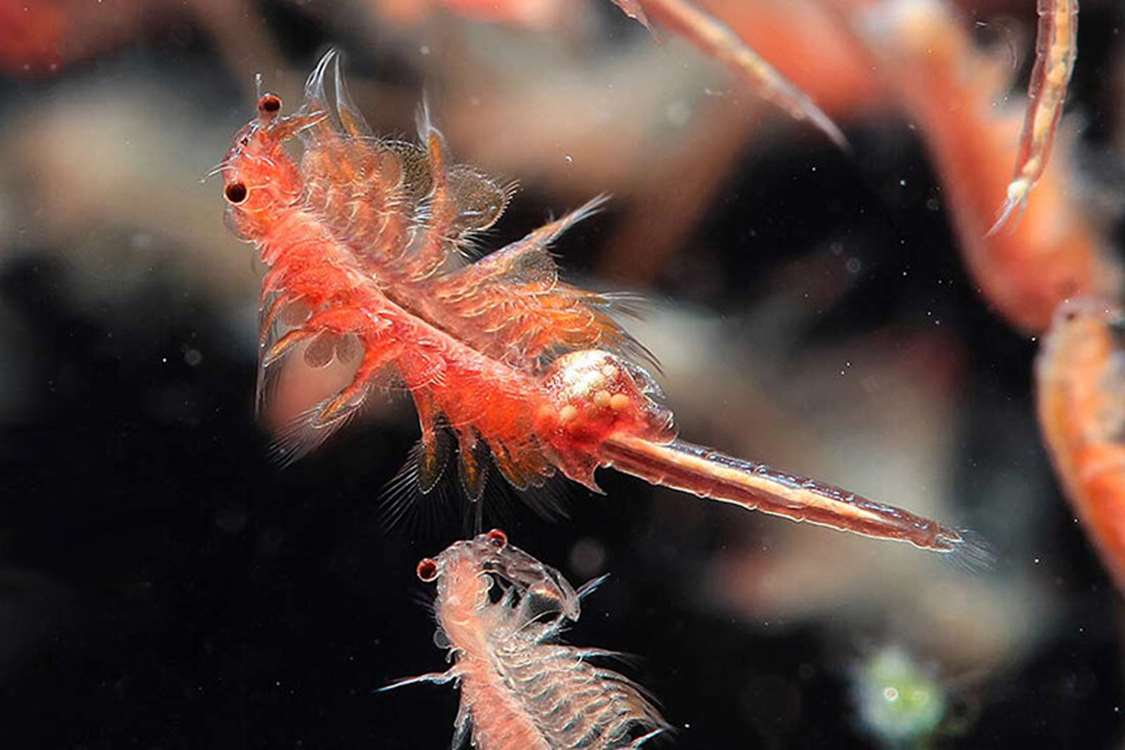
Tehran – The resurgence of Lake Urmia, northwestern Iran, has reignited hopes for Iran's Artemia industry, with officials pushing for expanded farming operations and the use of unconventional water sources to build a sustainable, export-oriented sector.
Lake Urmia, the sole natural habitat of the endemic Artemia urmiana, has risen by over one meter this year, offering a ecological and economic boost to the region. Yet salinity remains critically high, far above optimal levels for reproduction.
Dr. Ali Nekouifard, head of Iran's Artemia and Aquatic Animals Research Center, said the center's strategy centers on "green support" through five research projects across short, medium, and long-term horizons. Initiatives include a national cyst gene bank, continuous lake monitoring, site identification using saline agricultural waters, and collaboration with producers in provinces such as East and West Azarbaijan, Yazd, Kashan, and Kerman.
He emphasized the nutritional value of Artemia urmiana, which contains over 52% protein and 4% fat, enough to fully meet the dietary needs of freshwater species.
To reduce pressure on freshwater resources, he highlighted the potential of using brine from desalination plants, underground saline water, agricultural drainage, and treated urban wastewater, calling it a "golden opportunity" for sustainable expansion.
Private investment, technology transfer, market guarantees, and targeted incentives, he added, are essential if Iran is to become a regional hub for Artemia cyst production.


comment please