


.jpg)
UNDP, Iranian institutions urged to step up cooperation on land degradation
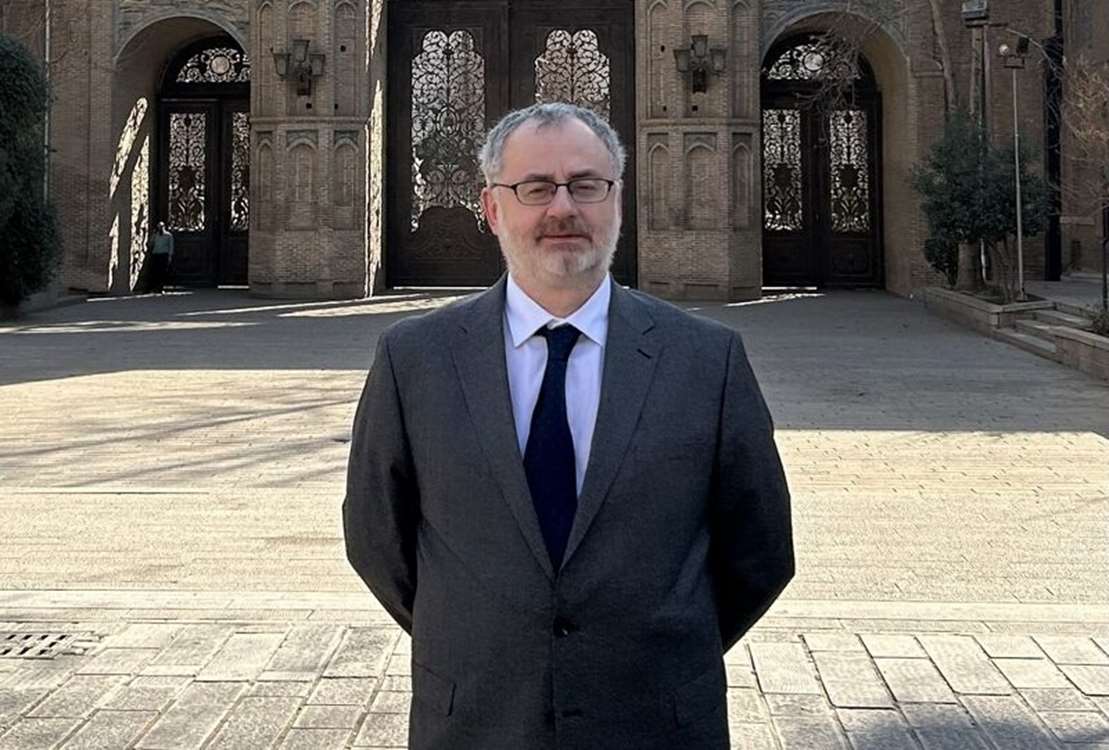
Tehran - The United Nations Development Programme (UNDP) Resident Representative in Iran has called for stronger cooperation with Iranian institutions to combat land degradation and soil erosion, warning that the loss of soil resources threatens food security, local livelihoods and ecosystem sustainability.
Levan Bozadze made the remarks on Tuesday at the opening of the Eighth National Conference on Soil Conservation and Watershed Management, stressing that tackling these challenges requires integrated natural resource management and closer scientific, operational and international cooperation.
He said soil erosion and land degradation were among the major environmental challenges facing countries, with consequences extending beyond the natural environment to affect communities’ economic and social well-being.
Emphasizing the close link between soil health and food security, Bozadze warned that soil degradation could undermine agricultural productivity, jeopardizing food supplies and the livelihoods of communities dependent on natural resources.
He stressed that effective measures must begin with identifying the root causes of soil erosion and land degradation, followed by the development and implementation of management strategies tailored to the environmental, economic and social conditions of each region.
Bozadze highlighted the interconnected nature of natural resource management, noting that soil erosion, water resource management, deforestation and desertification cannot be addressed in isolation, as developments in one area can directly affect others.
He said the complexity of these challenges calls for coordinated action by government agencies, researchers and experts from different disciplines to develop evidence-based and integrated solutions.
Desertification, deforestation and soil erosion, he added, are interconnected manifestations of land degradation. Their links must therefore be reflected in policymaking and the implementation of conservation programs to achieve lasting results.
The UNDP representative also underscored the need to protect Iran’s forests, particularly those in the Zagros Mountains, warning that forest degradation and growing exposure to natural hazards have made stronger conservation and prevention measures increasingly urgent.
He called for improved management capacity and greater reliance on scientific expertise to identify natural hazards and reduce the vulnerability of ecosystems.
Turning to international environmental cooperation, Bozadze said countries need to make effective use of international commitments and frameworks to advance their national priorities and address domestic challenges.
He emphasized that international cooperation mechanisms are most effective when they respond to countries’ actual circumstances and the needs of local communities.
Bozadze highlighted UNDP’s cooperation with Iranian institutions, saying joint projects focused on natural resource conservation and combating land degradation provide valuable opportunities for knowledge exchange, experience-sharing and the development of practical solutions.
He stressed the importance of combining academic expertise, government implementation capacity and international experience to strengthen environmental protection efforts.
Universities and researchers can contribute to evidence-based policymaking by generating knowledge and proposing scientific solutions, while government agencies can translate research findings into practical programs and actions, he said.
International organizations can further support these efforts by sharing global best practices and facilitating joint initiatives.
Bozadze expressed hope that the conference’s scientific and technical discussions would help expand cooperation among researchers, universities, government agencies and international organizations, paving the way for more effective and sustainable natural resource management.


comment please